
• Latest
  • Trending
  • All
Official Waymo announcement image of a white Jaguar I-PACE with a roof mounted sensor dome parked in front of the Siegestor arch in Munich at sunset, with the caption Waymo in Munich.

Waymo picked Munich for its first EU city, late 2027

3 September 2026
Answer card stating that Qwen-Image-2.1, released on 20 September 2026, ships open weights with a 7 billion parameter diffusion transformer, a Qwen3-VL 8B text encoder and an RGBA VAE totalling about 33 gigabytes in BF16, under the Qwen Research License that limits use to research or evaluation and requires a separate commercial licence, unlike the Apache 2.0 licence of Qwen-Image 1.0.

Qwen-Image-2.1 brings the weights back, but not the Apache licence

21 September 2026
Answer card stating that Ternary Bonsai 2 27B, released by PrismML on 17 September 2026 under Apache 2.0, packs Qwen3.8 27B into 5.95 gigabytes at 1.72 bits per weight, keeps 98.2 percent of the 14-benchmark average, about 75 percent on SWE-bench Verified and Terminal-Bench 2.1, and needs PrismML's llama.cpp fork to run.

Does Bonsai 2 27B really keep 98% of Qwen3.8 in 5.95 GB?

20 September 2026
Answer card stating that Jev 1.13 from TypeSafe AI is a decision model in early access since 15 September 2026 that returns typed probabilities instead of text, priced at 42 dollars per billion input tokens with output tokens free, answering in 70 to 500 milliseconds, with a 64K token request budget, text input only, and a documented list of things it does badly, including counting and dates.

Jev 1.13 bills $42 a billion tokens, and it can’t count

19 September 2026
Answer card stating that Qwen3.8-Omni-Flash launched on 17 September 2026 as an API only model on Alibaba Cloud Model Studio, taking text, images, audio and video in a 1M token context and returning text only, priced at 0.15 dollars per million input tokens for every modality and 0.47 dollars per million output tokens in the international regions, with no open weights published and the Qwen-Live Harness GitHub repository returning 404.

Qwen3.8-Omni-Flash bills audio at $0.15 and ships no weights

18 September 2026
Answer card stating that on 15 September 2026 AWS said it is unable to restore access to resources and data hosted exclusively in the Middle East Bahrain region me-south-1 and in the mec1-az2 zone of the UAE region, because the damage spanned multiple Availability Zones and exceeded what multi-AZ services are designed to withstand.

AWS can’t restore me-south-1, six months after the drone strikes

17 September 2026
Answer card stating that Google released Gemini 3.8 Live and Gemini 3.8 Live Extended Thinking on 15 September 2026 at 3 dollars per million audio input tokens and 12 dollars out, that the thinking model requires asynchronous tools, and that Artificial Analysis scores it 82.6 on its Speech to Speech Quality Index.

Gemini 3.8 Live Extended Thinking rejects any tool that blocks

16 September 2026
Answer card summarising the Atria Dawn Preview release: 744B GLM-5.2 base, MIT licence, 1.5 TB BF16 and 756 GB FP8 checkpoints, 256K context, top on five of sixteen benchmark rows and trailing on SWE-bench Pro.

Atria Dawn Preview is 744B under MIT, and the BF16 weighs 1.5 TB

15 September 2026
Answer card stating that OpenAI released the Agents API in public beta on 10 September 2026 with no separate fee, billed through model tokens, tool calls and hosted sandbox time, with a choice of OpenAI hosted, self hosted or partner sandboxes, US only data residency and no Zero Data Retention support.

OpenAI’s Agents API has no fee, no ZDR and a one hour sandbox clock

14 September 2026
Answer card: Sakana Fugu Max at $2 and $6 per million tokens, Fugu Ultra v2 unchanged at $5 and $30, and Sakana saying Ultra v2 scores without Fable 5 or GPT-6 Astra in its pool.

Fugu Max costs $2 and $6 while Fugu Ultra v2 runs without Fable 5

13 September 2026
Answer card stating that DeepSeek released DeepSeek-V4.1-Flash on 10 September 2026 as a 552 billion parameter mixture of experts model with a new causal encoder decoder architecture that activates 8 billion parameters on input and 16 billion on output, with native vision, a one million token context and MIT licensed weights, that the API model name is now deepseek-flash at 0.15 dollars per million input tokens and 0.60 dollars per million output tokens off peak, and that DeepSeek announced V4 Pro would be routed to V4.1-Flash from 14 September and reversed that on 11 September.

DeepSeek V4.1-Flash arrived, and the V4 Pro retirement lasted a day

12 September 2026
Answer card stating that Cognition released SWE-2 on 10 September 2026, a coding model post-trained from Kimi K3, scoring 50.0 percent on FrontierCode 1.1 Main against 50.9 percent for Claude Fable 5.1 and 27.3 percent on Terminal-Bench 4 against 55.8 percent, available only inside Devin.

SWE-2 trails Fable 5.1 by one point, and by 28 on Terminal-Bench 4

11 September 2026
Answer card for Meta Muse, free to 100 million tokens a week then $20 a month, launched 8 September 2026 for United States adults only, running in a dedicated per user virtual machine.

Does Meta Muse do enough to earn your inbox and a card on file?

9 September 2026
  • About
  • Contact
  • Privacy
  • Legal
Monday, September 21, 2026
  • Login
Packet Nebula
  • Home
  • Articles
    • Security
    • Network
    • Dev
    • Sysadmin
    • SEO
    • Email & DNS
  • Tools
    • Network tools: free, fast, no signup
    • Security tools: free, fast, no signup
    • Developer tools: free, fast, no signup
    • Sysadmin tools: free, fast, no signup
    • SEO tools: free, fast, no signup
    • Email & DNS tools: free, fast, no signup
  • Download
  • About
No Result
View All Result
Packet Nebula
No Result
View All Result
Home Dev

Waymo picked Munich for its first EU city, late 2027

by stephane
3 September 2026
in Dev
0
Official Waymo announcement image of a white Jaguar I-PACE with a roof mounted sensor dome parked in front of the Siegestor arch in Munich at sunset, with the caption Waymo in Munich.
496
SHARES
1.4k
VIEWS
Share on FacebookShare on Twitter

The picture Waymo put out is a white Jaguar under the Siegestor at sunset, sensor dome on the roof, nobody visibly in it. Right now that picture is the whole product. On 25 August the company said it's bringing its robotaxi service to Munich, the first city it has named inside the European Union, with paid public rides targeted for the end of 2027. Mapping starts in the coming weeks, driven manually by trained specialists. Between that and a fare sit two separate German permits, and Waymo holds neither of them. One of those permits is federal and one is Bavarian, which is the part almost every write-up folded into a single sentence about the KBA.

The short answer

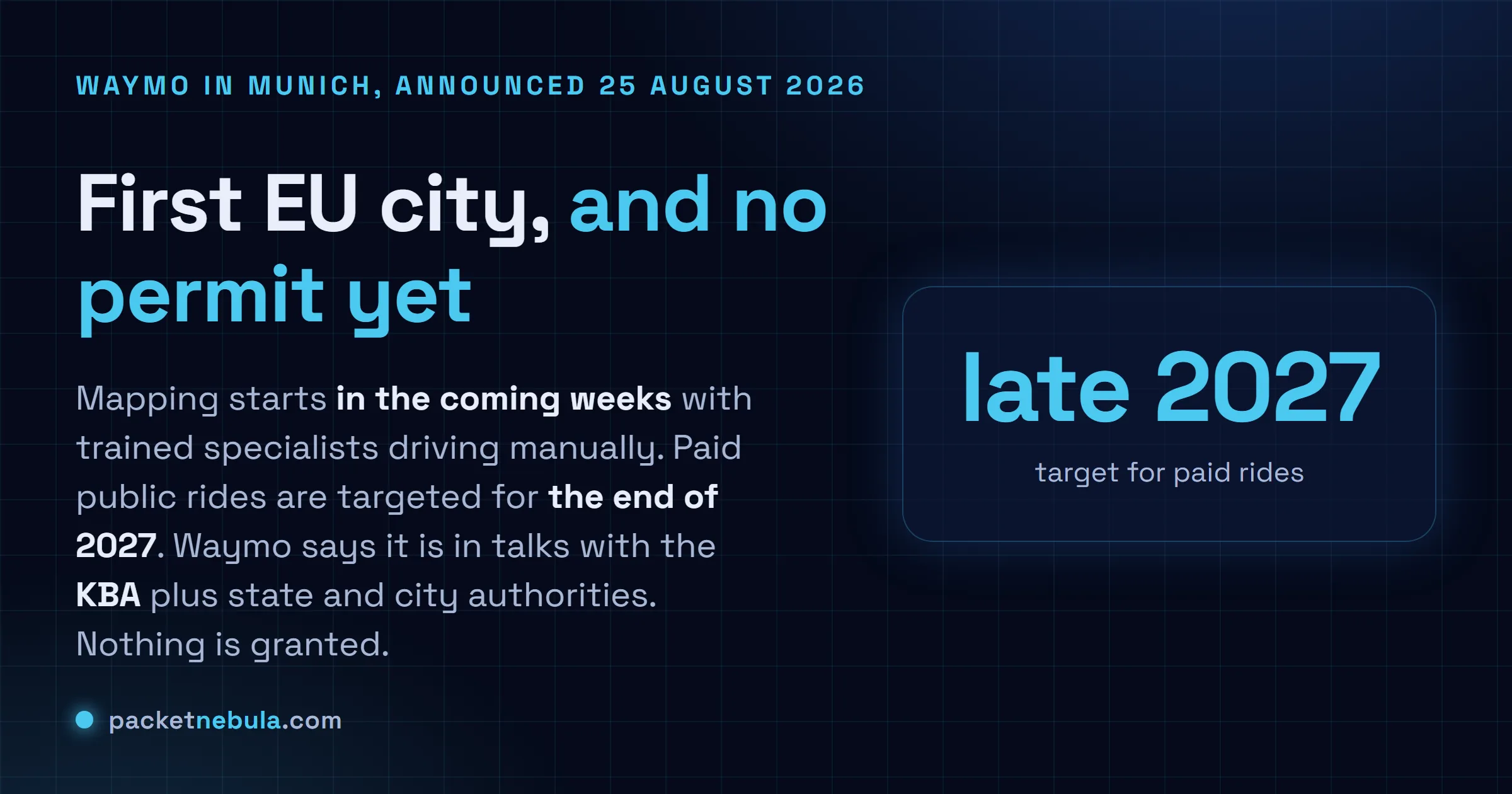
Waymo announced Munich on 25 August 2026. It’s the company’s first named city in the European Union and its third international one, after Tokyo and London, where it is still testing rather than selling rides. Manual high definition mapping begins in the coming weeks. A commercial service is targeted for the end of 2027, subject to approvals nobody has granted. Germany’s 2021 law makes that a two desk problem: the KBA signs off the vehicle, Bavaria signs off the operating area.
1stEU city Waymo has named
late 2027target for paid rides
0German permits held today
Answer card stating that Waymo announced Munich on 25 August 2026 as its first named European Union city and third international city after Tokyo and London, with manual mapping starting within weeks and paid public rides targeted for the end of 2027, and that Waymo holds no German permit.
The announcement in one card. Note the last line.

What Waymo actually announced

A blog post titled “Servus München”, published 25 August. In it Waymo says it is bringing fully autonomous driving to Munich, that vehicles will start driving the city manually in the coming weeks so its specialists can build high definition maps and see how the Waymo Driver handles local roads, and that it aims to open a commercial service to the public towards the end of 2027. It says it is working with the Kraftfahrt-Bundesamt, with state authorities and with city officials on what it needs.

That’s the announcement. Everything else is context the company chose to put around it.
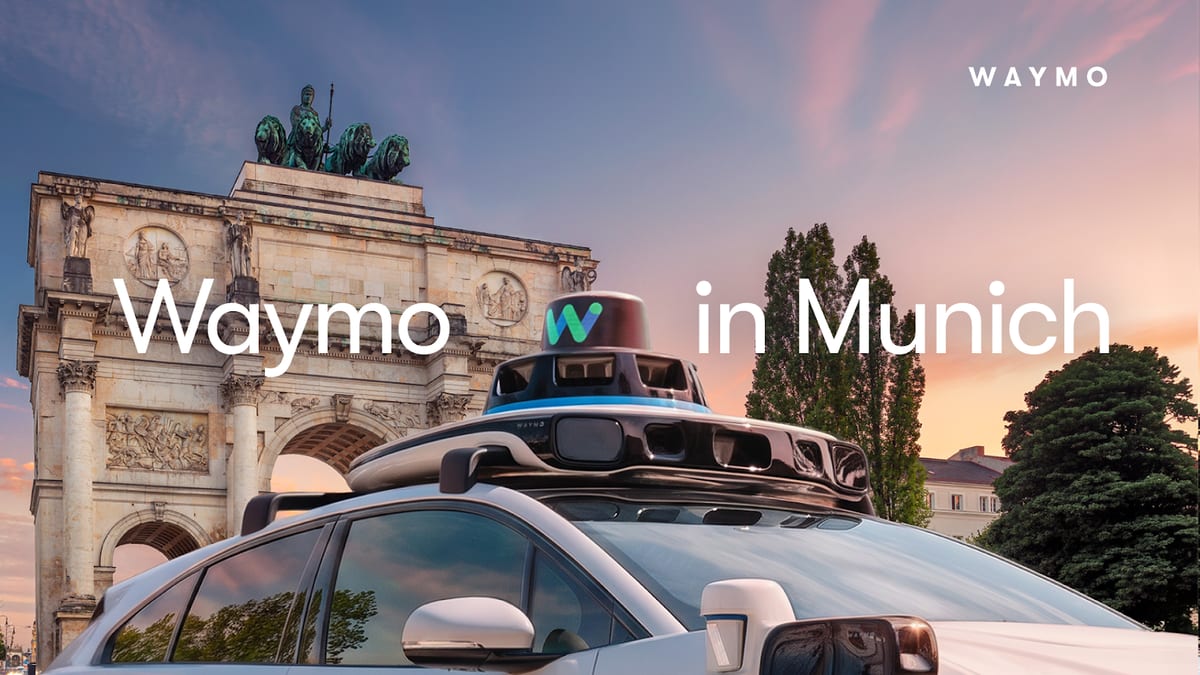
Official Waymo announcement image showing a white Jaguar I-PACE with a roof mounted sensor dome parked in front of the Siegestor arch in Munich at sunset, under the caption Waymo in Munich.

Image: Waymo, from its Munich announcement.

The context is a safety pitch, and the numbers are Waymo’s own. More than 20 million trips completed. Hundreds of thousands of commercial rides a week. Over 350 million fully autonomous kilometres, across which the company reports 16 times fewer serious injury crashes than human drivers over the same distance, 14 times fewer injury crashes involving pedestrians, 6 times fewer involving cyclists. Those are self published figures against a benchmark Waymo constructs, which doesn’t make them fake, it makes them a company’s account of itself. Read them as the argument being made to the KBA, because that is what they are.

Waymo also lined up political cover in the post. Christian Hirte, Parliamentary State Secretary at the Federal Ministry of Transport, and Dr. Florian Herrmann, who heads the Bavarian State Chancellery. Federal and state, which is not an accident.

The bit that got flattened: Germany needs two permits

Here’s why that pairing matters. Germany passed the Act on Autonomous Driving, which took effect on 28 July 2021 and made it the first country in the EU with a legal route to commercial Level 4 operation. Good news for Waymo. The catch is how the law splits the job.

The Kraftfahrt-Bundesamt issues the vehicle’s operating permit, the Betriebserlaubnis. That’s federal, and it covers the car and its autonomous driving function. Separately, the operating area the car is allowed to drive in, the festgelegter Betriebsbereich, has to be approved by the competent state authority. For Munich that’s Bavaria. Then the vehicles get registered and plated like anything else on the road.

So when a headline says Waymo is working with the KBA, that’s half a sentence. The KBA can bless the Jaguar and Bavaria can still take its time over which streets it runs on, and neither of those is a rubber stamp for a company that has never operated a metre of public road service in Europe.
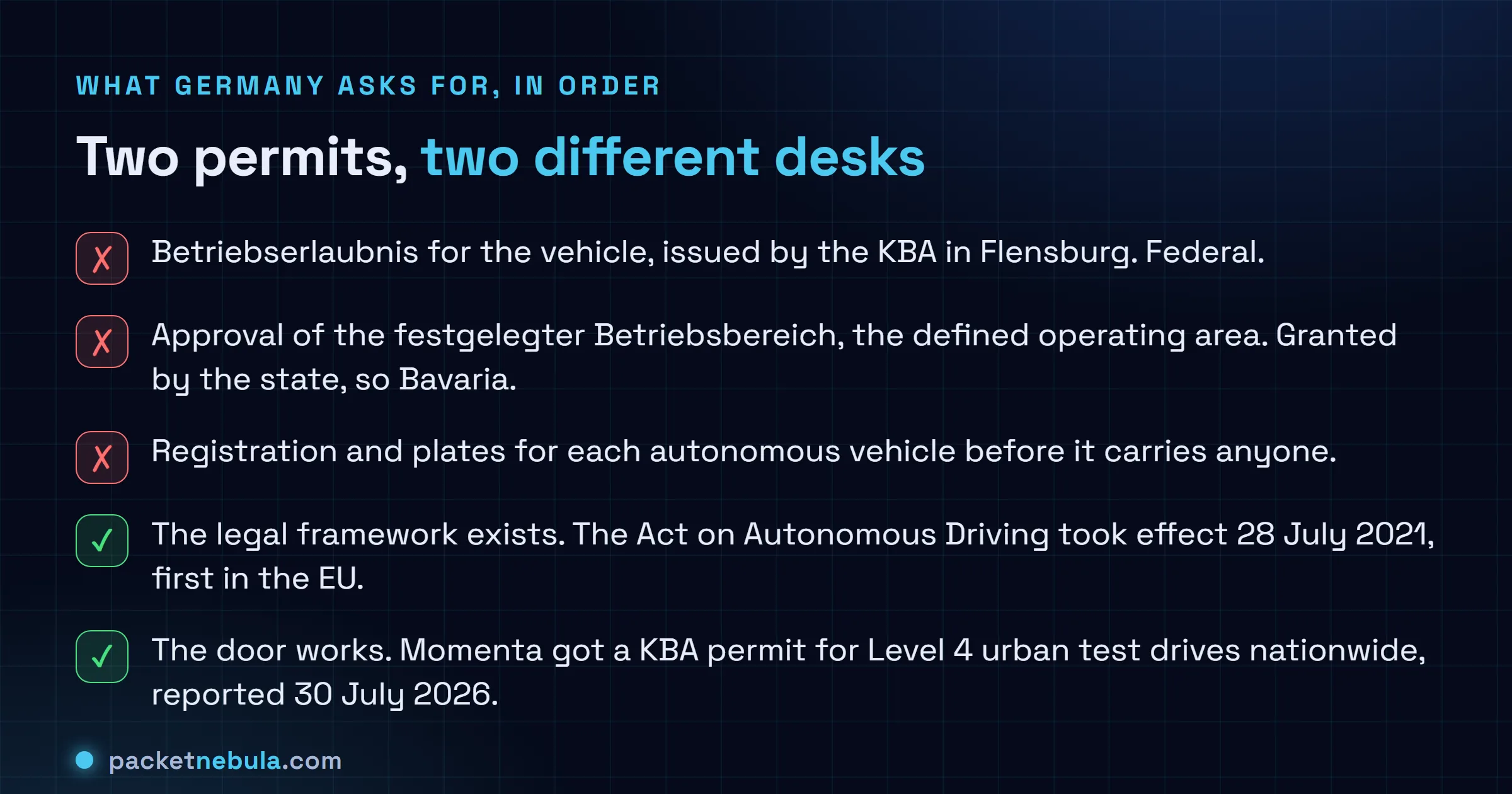
Checklist of German requirements for a driverless robotaxi under the Act on Autonomous Driving in force since 28 July 2021: a federal operating permit from the Kraftfahrt-Bundesamt, a separate approval of the defined operating area from the state authority, and vehicle registration, none of which Waymo holds in August 2026, while Momenta cleared a nationwide Level 4 urban test permit reported on 30 July 2026.
Two desks, not one. The green rows are what already works in Germany, not what Waymo has.

Worth knowing: Waymo isn’t first through the KBA door, or even first in Munich. On 30 July 2026 it was reported that Momenta, the Chinese autonomous driving firm partnered with Uber, had cleared a KBA permit for Level 4 test drives on urban roads across Germany, with Munich as its primary market. Testing permit, not an operating licence, and the coverage said so plainly. But it’s evidence the process moves, and it means the first driverless car you see near the Isar might not have a Waymo dome on it.

Sixteen months, and what that would take

Now the honest bit. Waymo has given itself roughly fifteen months from the first mapping car to a paying passenger in a European capital city where it holds nothing today. I might be wrong about this, but that would be the fastest international ramp the company has ever run.

Tokyo is the comparison nobody likes. Waymo began testing there in April 2025. Sixteen months later, at the time of the Munich announcement, Tokyo is still described as a market where Waymo is testing. London started in spring 2026 with Jaguar I-PACE cars and safety drivers, and a launch pencilled in for 2026 that depends on the UK finalising its approval process. Neither city sells a driverless ride yet.
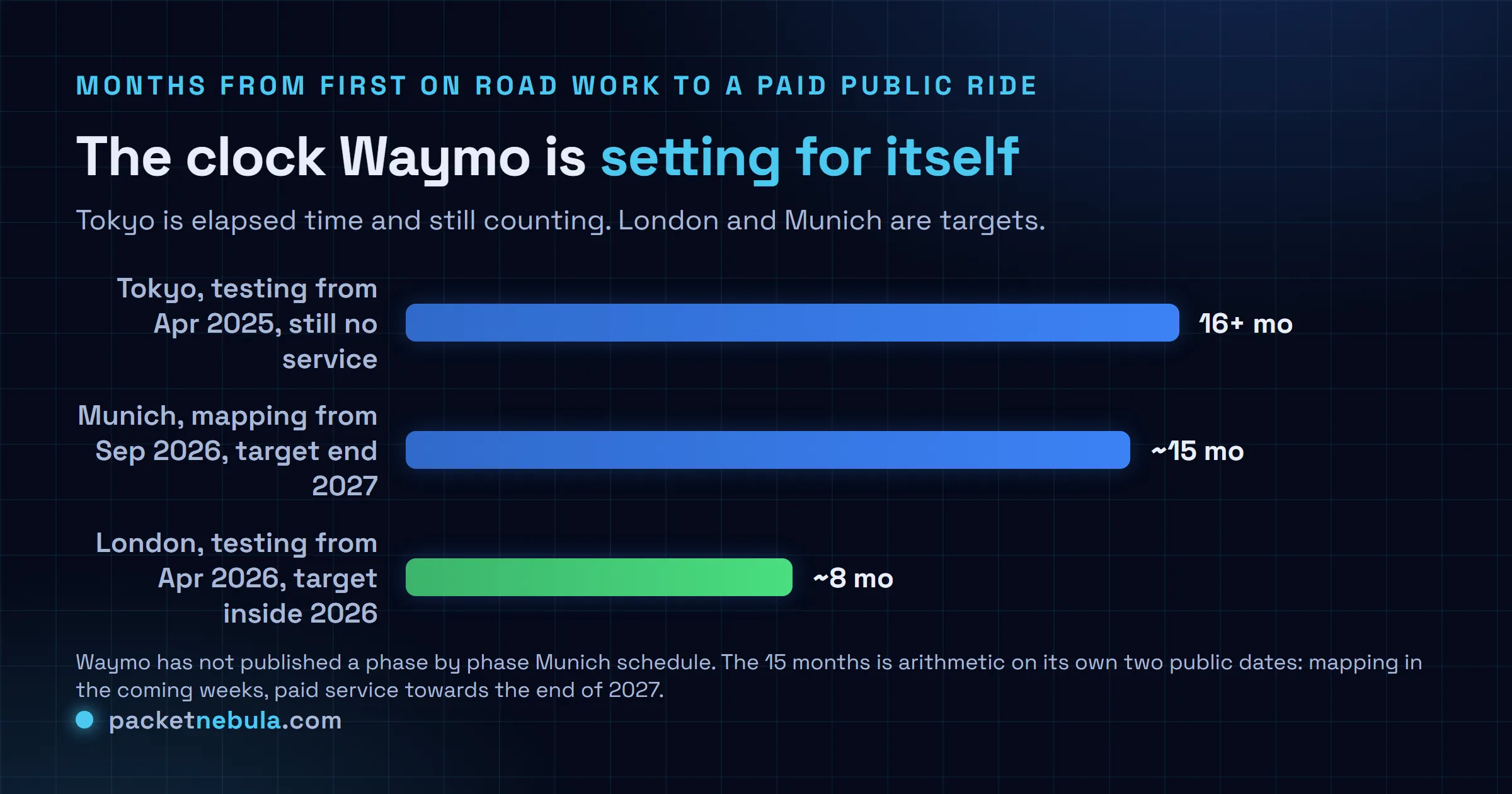
Bar chart comparing months from the start of on road work to a paid public robotaxi ride in Waymo's international cities: sixteen months elapsed in Tokyo since April 2025 with no service yet, about fifteen months targeted in Munich from September 2026 to the end of 2027, and about eight months targeted in London from April 2026 to a launch inside 2026.
Only one of these bars is a measured number. The other two are targets, including Waymo's own.

None of that makes the Munich plan hollow. Waymo’s US record is the strongest in the business and the company doesn’t announce cities it walks away from. It does mean the useful mental model for the next year is mapping and validation, not rides. And the boring parts bite late: in Santa Monica the thing that actually constrained Waymo this summer was where it parks and charges overnight, not the driving. The phases it runs everywhere: manual mapping, then autonomous testing with a trained validation driver in the seat, then employee and press rides, then a limited public service, then commercial operations. Munich is at step zero of five.

Why anyone outside Munich should care

Because Germany is the test of whether the EU framework does anything. Every other European market either lacks a Level 4 commercial route or has one on paper that nobody has walked through. If Waymo gets a Betriebserlaubnis and a Bavarian operating area, the template exists and the next city is an administrative exercise instead of a legislative one. If it stalls, the 2021 law was a press release with a legal citation.

The competitive picture around it is already crowded and mostly non American. Volkswagen’s MOIA runs autonomous shuttles in Hamburg. Verne operates commercially in Zagreb. Momenta has its test permit and its Uber deal. Wayve is in London with Uber, licensed by TfL in August for up to 15 cars, every one of them with a human driver on board. That last detail is the one to keep in your head when you read the word robotaxi this year, because it keeps meaning “supervised trial” in Europe and “empty driver’s seat” in Phoenix.

Munich would be the first EU city where the word means the American thing. Late 2027, if the paperwork lands.

Sources

Waymo’s announcement post, Servus München: Waymo is Coming to Germany (25 August 2026), for the phases, the target and the safety figures. TechCrunch, Waymo robotaxis are headed to Munich, for the permit status and the European competitive context. Zag Daily for the Jaguar I-PACE and validation driver detail, and for the undisclosed fleet size. Electrive for the pending approvals. The German legal split comes from the KBA’s own page on autonomous driving and the CMS guide to autonomous vehicle regulation in Germany. The Momenta permit is from Electrive, 30 July 2026. Waymo’s Tokyo and London timelines come from TechCrunch’s April 2026 report on London testing.

Frequently asked questions

When can you actually hail a Waymo in Munich?

Waymo targets the end of 2027 for a commercial service open to the public, and it calls that a target, not a date. Before then it plans manual mapping starting within weeks of the 25 August 2026 announcement, then autonomous testing with trained validation drivers on board, then limited rides. Every step past mapping depends on approvals the company does not have yet.

Which German authority has to approve a driverless robotaxi?

Two of them. Under the Act on Autonomous Driving, in force since 28 July 2021, the Kraftfahrt-Bundesamt issues the operating permit for the vehicle itself, and the responsible state authority approves the defined operating area the car may drive in. For Munich that second approval is Bavaria's to give. The vehicles also have to be registered like any other car.

Is Munich really the first robotaxi city in the EU?

It would be the first EU city with a regular driverless commercial service if Waymo hits its 2027 target, which nobody has done yet. Autonomous vehicles already run in Europe in other shapes. Volkswagen's MOIA operates autonomous shuttles in Hamburg, and Verne runs a commercial service in Zagreb, which is outside the EU's largest markets but inside the EU.

Which cars will Waymo use in Munich, and how many?

Waymo has not disclosed a fleet size, and its own blog post does not name the vehicle. Coverage of the announcement describes a small fleet of all-electric Jaguar I-PACE cars across several Munich districts, which matches the vehicle in Waymo's own announcement image and the fleet it put on the road in London. Treat the platform as very likely rather than confirmed by the company.

Is Waymo the first company through the KBA door in Germany?

No. Momenta, which is partnered with Uber, was reported on 30 July 2026 to have cleared a KBA permit for Level 4 test drives on urban roads across Germany, with Munich as its primary market. That permit is for testing, not for carrying paying passengers, and plenty of approval steps sit between the two.

Tags: autonomous-vehiclesgermanygooglenewsregulationrobotics
Share198Tweet124
stephane

stephane

  • Trending
  • Comments
  • Latest
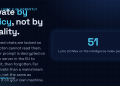
Answer card: Proton Lumo 2.0 is private by policy, not by locality. Saved history is locked so even Proton cannot read it, but the prompt is decrypted on a Proton EU server to answer it, then forgotten.

Proton Lumo 2.0 review: how private is it, really?

3 September 2026
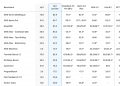
The Agentic Coding section of the official Hy4 preview benchmark appendix published by Tencent, a table comparing Hy3 and Hy4 preview against DeepSeek V4 Pro 0813, Qwen 3.8 Max, GLM 5.3, Kimi K3, GPT 5.6 Sol and Claude Opus 5 across SWE-bench Multilingual, SWE-bench Pro, DeepSWE, three SWE Atlas tasks, SWE-Marathon, Terminal-Bench 2.1, NL2Repo-Bench, CyberGym, ProgramBench, PostTrainBench and Harbor-Index.

Tencent’s 770B Hy4 tops one benchmark row in 46

3 September 2026
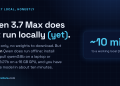
Answer card: Qwen 3.7 Max is API-only and cannot run locally yet; the open Qwen models (Qwen 3.6 27B, qwen3:8b to 32b) run offline via Ollama.

Qwen 3.7 local: what you can actually run offline

22 June 2026
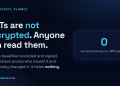
Answer card: JWTs are not encrypted, anyone can read them; the signature proves who issued the token, not who may read it.

Are JWTs encrypted? No, and the difference will bite you

0
Answer card: a random 8 character password falls in under 2 hours offline, while 16 random characters hold for 1.4 trillion years at the same speed.

How long does it take to crack a password in 2026?

0
Answer card: three DNS records decide if your mail lands or bounces; SPF lists allowed senders, DKIM signs messages, DMARC sets the failure policy.

SPF, DKIM and DMARC explained: the records your email needs

0
Answer card stating that Qwen-Image-2.1, released on 20 September 2026, ships open weights with a 7 billion parameter diffusion transformer, a Qwen3-VL 8B text encoder and an RGBA VAE totalling about 33 gigabytes in BF16, under the Qwen Research License that limits use to research or evaluation and requires a separate commercial licence, unlike the Apache 2.0 licence of Qwen-Image 1.0.

Qwen-Image-2.1 brings the weights back, but not the Apache licence

21 September 2026
Answer card stating that Ternary Bonsai 2 27B, released by PrismML on 17 September 2026 under Apache 2.0, packs Qwen3.8 27B into 5.95 gigabytes at 1.72 bits per weight, keeps 98.2 percent of the 14-benchmark average, about 75 percent on SWE-bench Verified and Terminal-Bench 2.1, and needs PrismML's llama.cpp fork to run.

Does Bonsai 2 27B really keep 98% of Qwen3.8 in 5.95 GB?

20 September 2026
Answer card stating that Jev 1.13 from TypeSafe AI is a decision model in early access since 15 September 2026 that returns typed probabilities instead of text, priced at 42 dollars per billion input tokens with output tokens free, answering in 70 to 500 milliseconds, with a 64K token request budget, text input only, and a documented list of things it does badly, including counting and dates.

Jev 1.13 bills $42 a billion tokens, and it can’t count

19 September 2026
  • About
  • Contact
  • Privacy
  • Legal

Copyright © 2026 Stephane Cardon.

Welcome Back!

Login to your account below

Forgotten Password?

Retrieve your password

Please enter your username or email address to reset your password.

Log In
No Result
View All Result
  • Home
  • Articles
    • Security
    • Network
    • Dev
    • Sysadmin
    • SEO
    • Email & DNS
  • Tools
    • Network tools: free, fast, no signup
    • Security tools: free, fast, no signup
    • Developer tools: free, fast, no signup
    • Sysadmin tools: free, fast, no signup
    • SEO tools: free, fast, no signup
    • Email & DNS tools: free, fast, no signup
  • Download
  • About

Copyright © 2026 Stephane Cardon.