
• Latest
  • Trending
  • All
Answer card: Nvidia now sells AI chips in Singapore, Malaysia and Japan only to companies on a vetted white list, and more than half its former customers there failed the first review.

Nvidia cut half its authorised AI chip buyers in Asia

3 September 2026
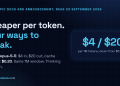
Answer card for Claude Opus 5.5: 4 dollars in and 20 dollars out per million tokens, down from 5 and 25, with cache reads at 20 cents.

Claude Opus 5.5 drops to $4 and $20, and breaks four Opus 5 habits

23 September 2026
The official xAI announcement card for Grok 4.7, white type on a dark grey and navy gradient.

Grok 4.7 keeps $2 and $6, and its gains over 4.6 are xhigh versus high

22 September 2026
Answer card stating that Qwen-Image-2.1, released on 20 September 2026, ships open weights with a 7 billion parameter diffusion transformer, a Qwen3-VL 8B text encoder and an RGBA VAE totalling about 33 gigabytes in BF16, under the Qwen Research License that limits use to research or evaluation and requires a separate commercial licence, unlike the Apache 2.0 licence of Qwen-Image 1.0.

Qwen-Image-2.1 brings the weights back, but not the Apache licence

21 September 2026
Answer card stating that Ternary Bonsai 2 27B, released by PrismML on 17 September 2026 under Apache 2.0, packs Qwen3.8 27B into 5.95 gigabytes at 1.72 bits per weight, keeps 98.2 percent of the 14-benchmark average, about 75 percent on SWE-bench Verified and Terminal-Bench 2.1, and needs PrismML's llama.cpp fork to run.

Does Bonsai 2 27B really keep 98% of Qwen3.8 in 5.95 GB?

20 September 2026
Answer card stating that Jev 1.13 from TypeSafe AI is a decision model in early access since 15 September 2026 that returns typed probabilities instead of text, priced at 42 dollars per billion input tokens with output tokens free, answering in 70 to 500 milliseconds, with a 64K token request budget, text input only, and a documented list of things it does badly, including counting and dates.

Jev 1.13 bills $42 a billion tokens, and it can’t count

19 September 2026
Answer card stating that Qwen3.8-Omni-Flash launched on 17 September 2026 as an API only model on Alibaba Cloud Model Studio, taking text, images, audio and video in a 1M token context and returning text only, priced at 0.15 dollars per million input tokens for every modality and 0.47 dollars per million output tokens in the international regions, with no open weights published and the Qwen-Live Harness GitHub repository returning 404.

Qwen3.8-Omni-Flash bills audio at $0.15 and ships no weights

18 September 2026
Answer card stating that on 15 September 2026 AWS said it is unable to restore access to resources and data hosted exclusively in the Middle East Bahrain region me-south-1 and in the mec1-az2 zone of the UAE region, because the damage spanned multiple Availability Zones and exceeded what multi-AZ services are designed to withstand.

AWS can’t restore me-south-1, six months after the drone strikes

17 September 2026
Answer card stating that Google released Gemini 3.8 Live and Gemini 3.8 Live Extended Thinking on 15 September 2026 at 3 dollars per million audio input tokens and 12 dollars out, that the thinking model requires asynchronous tools, and that Artificial Analysis scores it 82.6 on its Speech to Speech Quality Index.

Gemini 3.8 Live Extended Thinking rejects any tool that blocks

16 September 2026
Answer card summarising the Atria Dawn Preview release: 744B GLM-5.2 base, MIT licence, 1.5 TB BF16 and 756 GB FP8 checkpoints, 256K context, top on five of sixteen benchmark rows and trailing on SWE-bench Pro.

Atria Dawn Preview is 744B under MIT, and the BF16 weighs 1.5 TB

15 September 2026
Answer card stating that OpenAI released the Agents API in public beta on 10 September 2026 with no separate fee, billed through model tokens, tool calls and hosted sandbox time, with a choice of OpenAI hosted, self hosted or partner sandboxes, US only data residency and no Zero Data Retention support.

OpenAI’s Agents API has no fee, no ZDR and a one hour sandbox clock

14 September 2026
Answer card: Sakana Fugu Max at $2 and $6 per million tokens, Fugu Ultra v2 unchanged at $5 and $30, and Sakana saying Ultra v2 scores without Fable 5 or GPT-6 Astra in its pool.

Fugu Max costs $2 and $6 while Fugu Ultra v2 runs without Fable 5

13 September 2026
Answer card stating that DeepSeek released DeepSeek-V4.1-Flash on 10 September 2026 as a 552 billion parameter mixture of experts model with a new causal encoder decoder architecture that activates 8 billion parameters on input and 16 billion on output, with native vision, a one million token context and MIT licensed weights, that the API model name is now deepseek-flash at 0.15 dollars per million input tokens and 0.60 dollars per million output tokens off peak, and that DeepSeek announced V4 Pro would be routed to V4.1-Flash from 14 September and reversed that on 11 September.

DeepSeek V4.1-Flash arrived, and the V4 Pro retirement lasted a day

12 September 2026
  • About
  • Contact
  • Privacy
  • Legal
Wednesday, September 23, 2026
  • Login
Packet Nebula
  • Home
  • Articles
    • Security
    • Network
    • Dev
    • Sysadmin
    • SEO
    • Email & DNS
  • Tools
    • Network tools: free, fast, no signup
    • Security tools: free, fast, no signup
    • Developer tools: free, fast, no signup
    • Sysadmin tools: free, fast, no signup
    • SEO tools: free, fast, no signup
    • Email & DNS tools: free, fast, no signup
  • Download
  • About
No Result
View All Result
Packet Nebula
No Result
View All Result
Home Dev

Nvidia cut half its authorised AI chip buyers in Asia

by stephane
3 September 2026
in Dev
0
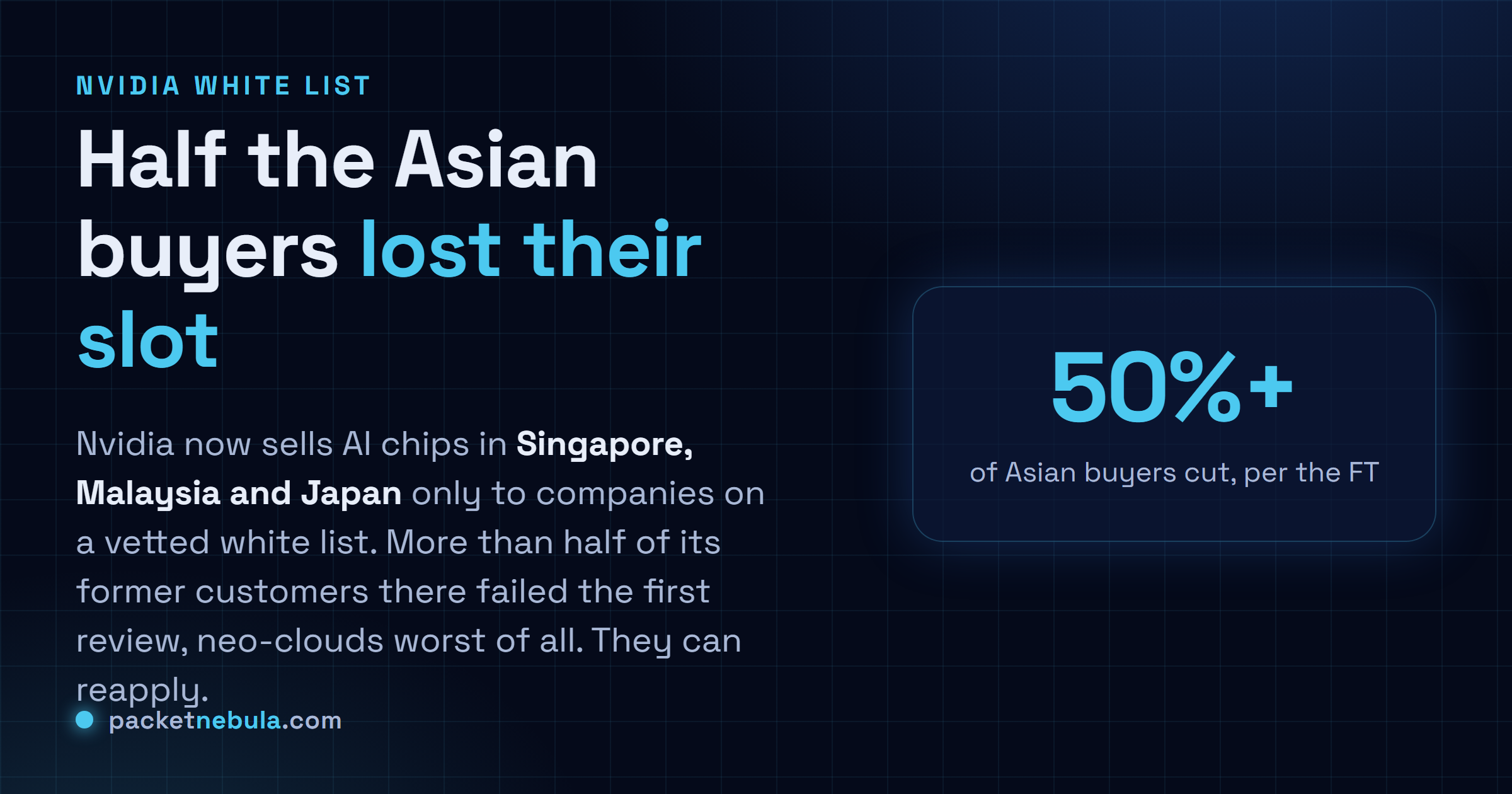
Answer card: Nvidia now sells AI chips in Singapore, Malaysia and Japan only to companies on a vetted white list, and more than half its former customers there failed the first review.
496
SHARES
1.4k
VIEWS
Share on FacebookShare on Twitter

A small cloud in Singapore quotes you GPU hours at a price that makes your finance person smile. Then the quote goes quiet, and nobody explains why. Here's a decent guess: Nvidia has more than halved the number of Asian companies it will sell AI chips to, after running them through a white list most of them failed. The Financial Times reported it Monday. The vetting covers Singapore, Malaysia and Japan, and the small GPU rental outfits took it worst. No price change has been announced anywhere. So if you rent from a big cloud in Frankfurt or Virginia, this is just news you can read and forget. If your cheap capacity comes from a regional provider, though, the company you rent from may have quietly lost its slot.

The short answer

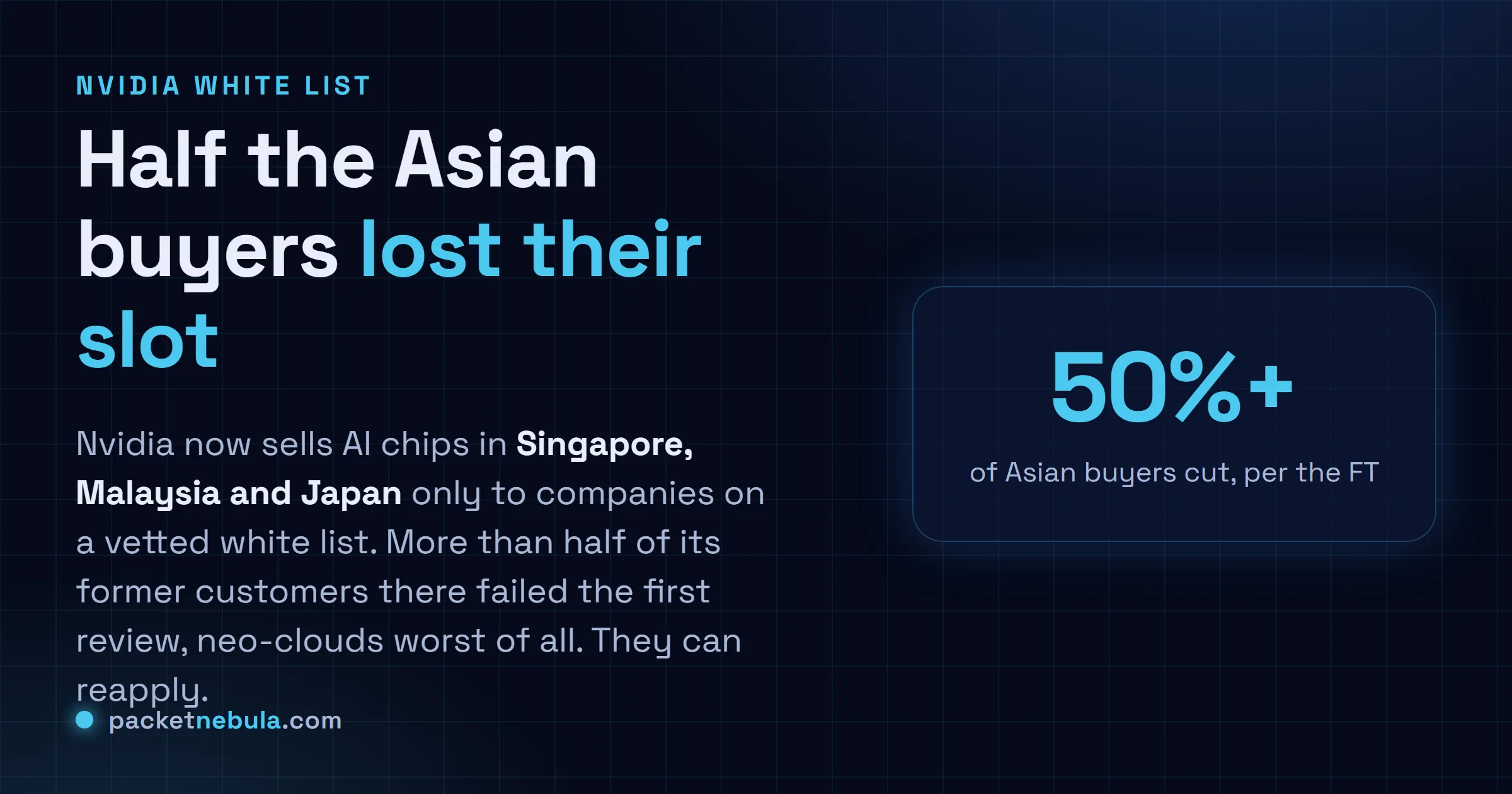
Nvidia now sells AI chips in Singapore, Malaysia and Japan only to companies that pass a compliance white list, and more than half its former customers there failed the first pass. Small GPU rental providers got hit hardest. They can reapply. If you rent from a major cloud, nothing here reaches you. If your capacity comes from a regional shop, go ask them where they stand.
50%+of Asian buyers cut
3markets vetted
$0announced price change
Answer card: Nvidia now sells AI chips in Singapore, Malaysia and Japan only to companies on a vetted white list, and more than half its former customers there failed the first review.
The one-card version. A compliance story with a supply chain tail.

What actually happened

Nvidia built a list. If your company is on it, you can buy AI chips. If you’re not, you can’t, and you get to reapply once you’ve fixed whatever got you removed.

The FT reported it on Monday, July 13. Over the past few months Nvidia stepped up its due diligence across Singapore, Malaysia and Japan, and more than half of its former customers in those markets didn’t survive the first review. Neo-clouds took the worst of it. Those are the outfits that buy racks of accelerators and rent them back out by the hour, the ones whose pricing page you’ve probably had open at some point while wincing at a hyperscaler quote.

Nvidia hasn’t said anything publicly. Reuters picked the story up and noted it couldn’t verify the specifics on its own.

The check has people in it now

This is the part worth sitting with, because export compliance used to mean a form and an attestation.

Not anymore. Per the reporting, Nvidia staff visit customers’ data centres, verify contracts and interview end users. Somebody walks the room and counts what’s in it. Somebody phones the customer behind the customer to ask what the chips are actually for. The Commerce Department is involved too, providing oversight and political backing rather than running it directly.
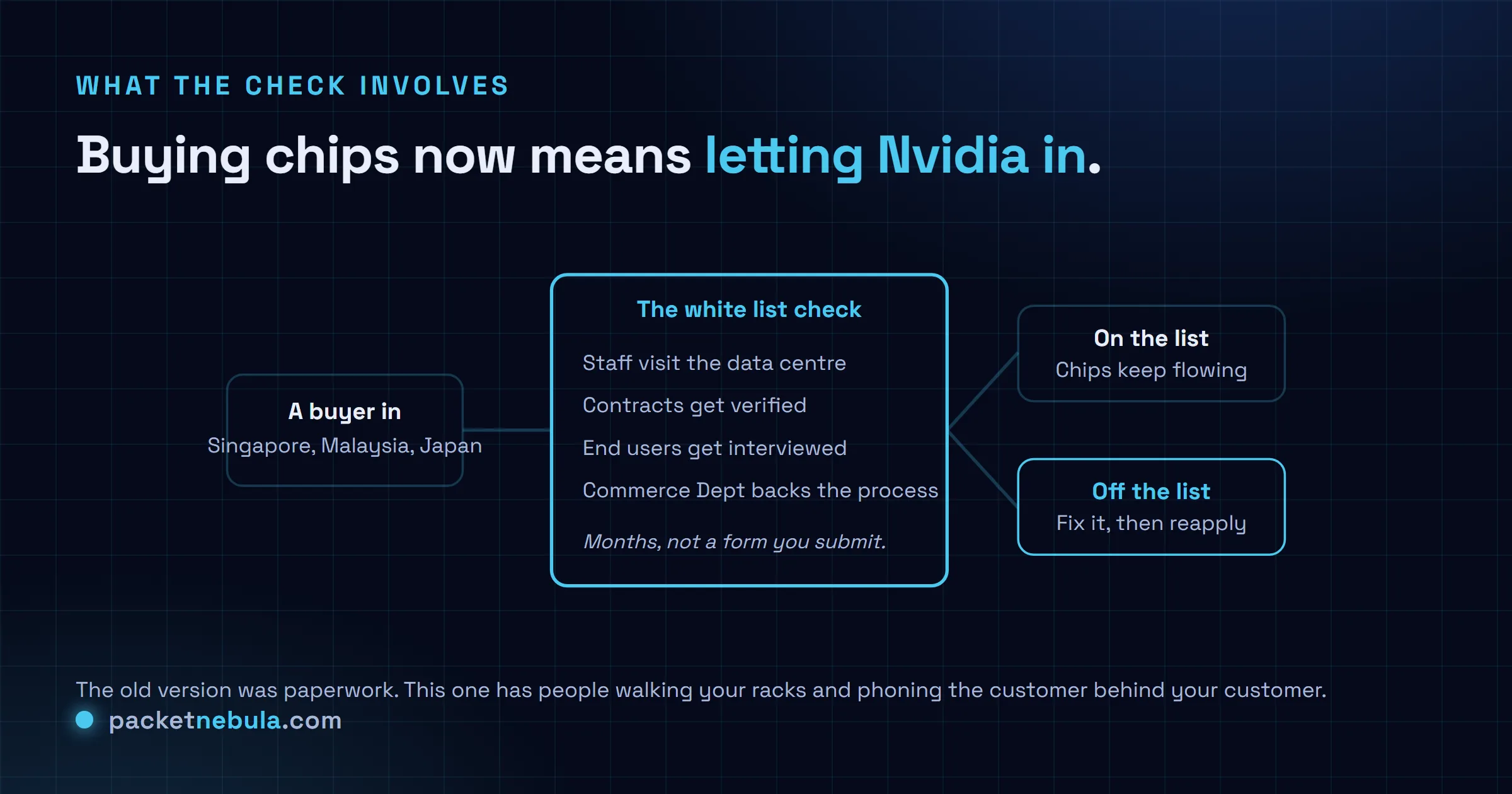
Diagram: a buyer in Singapore, Malaysia or Japan passes through a white list check involving data centre visits, contract verification, end user interviews and Commerce Department oversight, then lands either on the list with chips flowing or off the list with the option to reapply.
The gate a regional buyer walks through now. Site visits, not signatures.

Read the failure rate again with that in mind. More than half is not a story about crooks. A one-person neo-cloud with real customers and a filing cabinet instead of a compliance department fails a check like this on documentation alone, and it still fails, because passing means proving something rather than asserting it.

Why Nvidia is doing Washington’s job

Because the alternative is worse for Nvidia.

US export controls on AI chips to China go back years, and the Commerce Department issued guidance in May aimed at stopping advanced chips reaching overseas subsidiaries of Chinese companies. The concern behind it, per the reporting, is that Blackwell processors may have found their way to Chinese linked entities in places like Malaysia anyway. Southeast Asia is where the chips land first, and shell companies do the rest.

So Nvidia has a choice: police the channel itself, or let Washington decide the channel is unpoliceable and tighten the rules for everyone. Honestly, given that framing, cutting half your regional customers is the cheap option. It costs Nvidia very little. The buyers it dropped are not where the revenue is.

I might be wrong about the motive, and Nvidia hasn’t given one. But nobody sends staff to interview end users in three countries because they enjoy the travel.

Does any of this reach you

Mostly no. Let’s be honest about that before the take gets bigger than the facts.
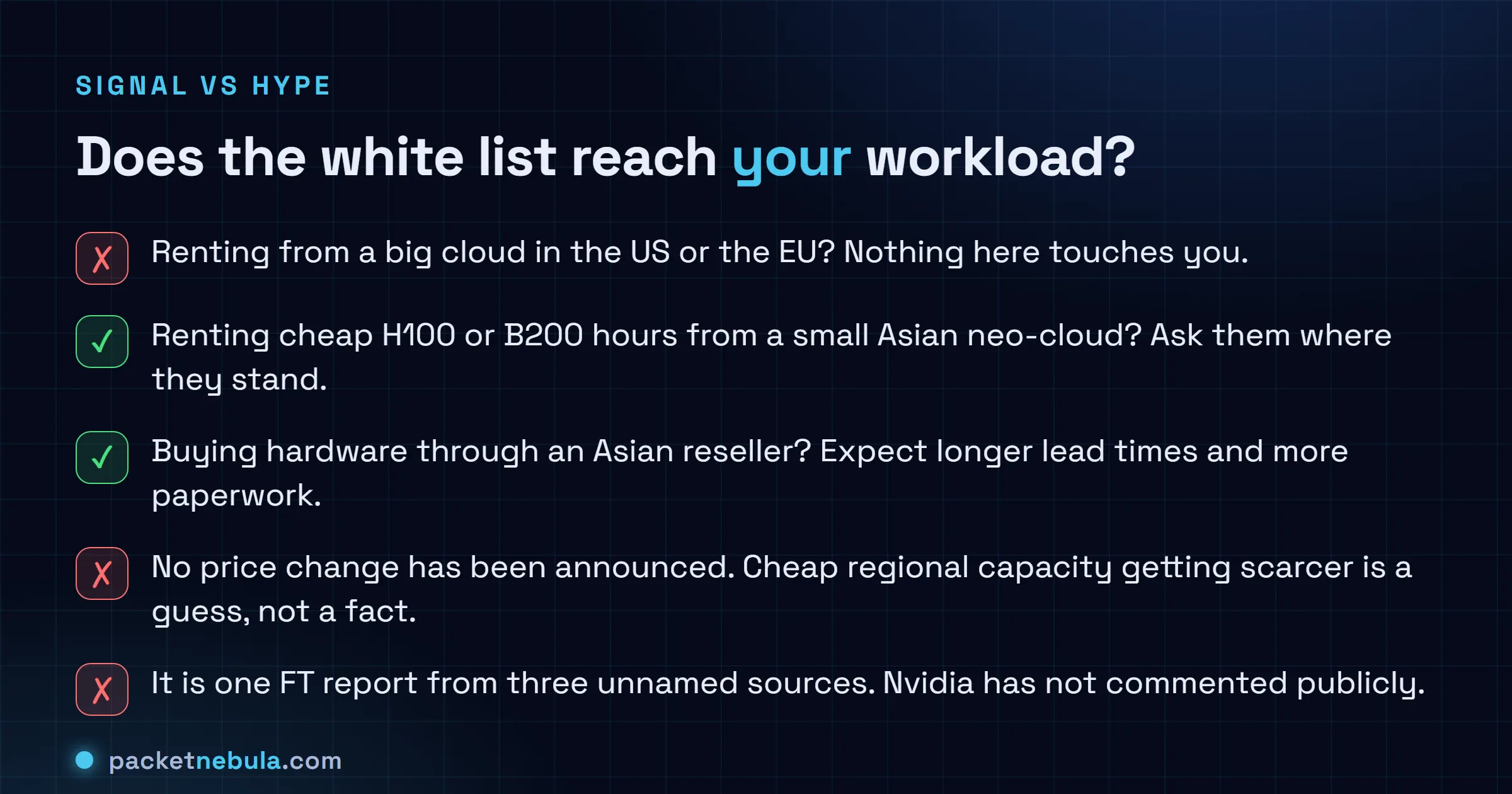
Checklist: renting from a large US or EU cloud is unaffected, small Asian neo-cloud customers should ask where their provider stands, buying through an Asian reseller means longer lead times, no price change has been announced, and the story rests on one FT report from three unnamed sources.
Four honest lines and a caveat. The blast radius is smaller than the headline.

Rent from a big cloud in Virginia or Frankfurt and this changes nothing about your week. Your instances start, your bill is what it was, and your fine tuning run doesn’t care about a list in Santa Clara.

The narrow case is real, though. If you’ve been renting cheap hours from a regional provider in Singapore or Kuala Lumpur, ask them directly whether their supply is affected. It’s a fair question and a vague answer tells you something. Same if you buy hardware through an Asian reseller: budget for slower lead times and a lot more paperwork about who you are and what you’re doing with the cards.

What I’d resist is the tidy conclusion that GPU prices are about to move. Nobody announced that. Regional capacity getting thinner while demand doesn’t is the kind of thing that pushes prices up eventually, but that’s a guess dressed as analysis and you should treat it as one.

The thing underneath

Every big buyer is trying to get off this ride. Meta is building its own inference silicon, OpenAI has a chip with Broadcom, and now the company they’re all trying to route around gets to decide who’s allowed to be a customer at all, in whole countries, based on a site visit.

That’s not really a supply chain anymore. It’s a permission list.

For most of us the practical response is smaller than that sounds. Know where your compute physically comes from. If the answer is a provider you found because they were the cheapest per hour, that’s worth a five minute conversation this week, and if you’re running smaller models anyway, local inference on hardware you own keeps looking better every time a story like this lands.

Sources

Reported by the Financial Times on July 13, 2026, citing three people familiar with the matter, and carried by Reuters, which noted it could not independently verify the report and that Nvidia did not respond to a request for comment. Further detail via The Manila Times and Tech Startups. The Commerce Department’s May guidance and the concerns about Blackwell chips reaching Chinese linked entities are as described in that reporting. Nvidia has made no public statement.

Frequently asked questions

What is Nvidia's Asia white list?

It is an internal list of companies cleared to buy Nvidia AI chips after passing tougher compliance checks. The Financial Times reported on July 13, 2026 that Nvidia introduced it across Singapore, Malaysia and Japan, and that more than half of its previous customers in those markets failed the first review and came off the list. Nvidia has not commented publicly on the report.

Which customers were removed?

Per the FT, neo-cloud providers were hit hardest. Those are the smaller GPU rental companies that buy accelerators and resell compute by the hour, as opposed to the hyperscalers. Removal is not permanent: companies can reapply once they have made changes.

Does this change Nvidia GPU pricing or availability for me?

No price change has been announced, and nothing about this touches capacity you rent from a major cloud in the US or Europe. The plausible knock-on is narrower: if you buy through an Asian reseller or rent from a small regional provider, expect more paperwork and longer lead times. Anything beyond that is speculation.

Why is Nvidia policing its own customers?

US export rules bar advanced AI chips from reaching Chinese entities, and the Commerce Department issued guidance in May aimed at chips reaching overseas subsidiaries of Chinese companies. Reporting has raised concerns that Blackwell processors may have reached Chinese-linked entities in countries such as Malaysia despite those restrictions. Rather than wait to be blamed for diversion it did not catch, Nvidia is doing the verification itself, with Commerce providing oversight and political backing.

How solid is this reporting?

Treat it as credible but single-sourced. The story comes from the Financial Times citing three unnamed people familiar with the matter, and it was picked up widely from there. Reuters said it could not independently verify the details, and neither Nvidia nor the Commerce Department gave a statement.

Tags: aibig-techgpuhardwarenewsnvidia
Share198Tweet124
stephane

stephane

  • Trending
  • Comments
  • Latest
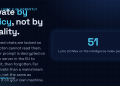
Answer card: Proton Lumo 2.0 is private by policy, not by locality. Saved history is locked so even Proton cannot read it, but the prompt is decrypted on a Proton EU server to answer it, then forgotten.

Proton Lumo 2.0 review: how private is it, really?

3 September 2026
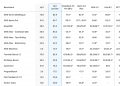
The Agentic Coding section of the official Hy4 preview benchmark appendix published by Tencent, a table comparing Hy3 and Hy4 preview against DeepSeek V4 Pro 0813, Qwen 3.8 Max, GLM 5.3, Kimi K3, GPT 5.6 Sol and Claude Opus 5 across SWE-bench Multilingual, SWE-bench Pro, DeepSWE, three SWE Atlas tasks, SWE-Marathon, Terminal-Bench 2.1, NL2Repo-Bench, CyberGym, ProgramBench, PostTrainBench and Harbor-Index.

Tencent’s 770B Hy4 tops one benchmark row in 46

3 September 2026
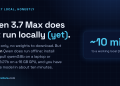
Answer card: Qwen 3.7 Max is API-only and cannot run locally yet; the open Qwen models (Qwen 3.6 27B, qwen3:8b to 32b) run offline via Ollama.

Qwen 3.7 local: what you can actually run offline

22 June 2026
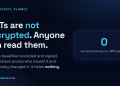
Answer card: JWTs are not encrypted, anyone can read them; the signature proves who issued the token, not who may read it.

Are JWTs encrypted? No, and the difference will bite you

0
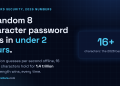
Answer card: a random 8 character password falls in under 2 hours offline, while 16 random characters hold for 1.4 trillion years at the same speed.

How long does it take to crack a password in 2026?

0
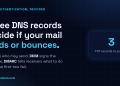
Answer card: three DNS records decide if your mail lands or bounces; SPF lists allowed senders, DKIM signs messages, DMARC sets the failure policy.

SPF, DKIM and DMARC explained: the records your email needs

0
Answer card for Claude Opus 5.5: 4 dollars in and 20 dollars out per million tokens, down from 5 and 25, with cache reads at 20 cents.

Claude Opus 5.5 drops to $4 and $20, and breaks four Opus 5 habits

23 September 2026
The official xAI announcement card for Grok 4.7, white type on a dark grey and navy gradient.

Grok 4.7 keeps $2 and $6, and its gains over 4.6 are xhigh versus high

22 September 2026
Answer card stating that Qwen-Image-2.1, released on 20 September 2026, ships open weights with a 7 billion parameter diffusion transformer, a Qwen3-VL 8B text encoder and an RGBA VAE totalling about 33 gigabytes in BF16, under the Qwen Research License that limits use to research or evaluation and requires a separate commercial licence, unlike the Apache 2.0 licence of Qwen-Image 1.0.

Qwen-Image-2.1 brings the weights back, but not the Apache licence

21 September 2026
  • About
  • Contact
  • Privacy
  • Legal

Copyright © 2026 Stephane Cardon.

Welcome Back!

Login to your account below

Forgotten Password?

Retrieve your password

Please enter your username or email address to reset your password.

Log In
No Result
View All Result
  • Home
  • Articles
    • Security
    • Network
    • Dev
    • Sysadmin
    • SEO
    • Email & DNS
  • Tools
    • Network tools: free, fast, no signup
    • Security tools: free, fast, no signup
    • Developer tools: free, fast, no signup
    • Sysadmin tools: free, fast, no signup
    • SEO tools: free, fast, no signup
    • Email & DNS tools: free, fast, no signup
  • Download
  • About

Copyright © 2026 Stephane Cardon.