
• Latest
  • Trending
  • All
Answer card stating that on 31 August 2026 the Department of War added OpenAI ChatGPT Mil and Starshield AI Grok for Government to the GenAI.mil portal alongside Google Gemini, all three accredited at Impact Level 5 for Controlled Unclassified Information, with 1.7 million unique users onboarded out of roughly 3 million eligible personnel, and ChatGPT Mil currently serving GPT-5.4 Terra with GPT-5.6 Terra said to be rolling out.

ChatGPT Mil and Grok reached IL5 on GenAI.mil

3 September 2026
The official xAI announcement card for Grok 4.7, white type on a dark grey and navy gradient.

Grok 4.7 keeps $2 and $6, and its gains over 4.6 are xhigh versus high

22 September 2026
Answer card stating that Qwen-Image-2.1, released on 20 September 2026, ships open weights with a 7 billion parameter diffusion transformer, a Qwen3-VL 8B text encoder and an RGBA VAE totalling about 33 gigabytes in BF16, under the Qwen Research License that limits use to research or evaluation and requires a separate commercial licence, unlike the Apache 2.0 licence of Qwen-Image 1.0.

Qwen-Image-2.1 brings the weights back, but not the Apache licence

21 September 2026
Answer card stating that Ternary Bonsai 2 27B, released by PrismML on 17 September 2026 under Apache 2.0, packs Qwen3.8 27B into 5.95 gigabytes at 1.72 bits per weight, keeps 98.2 percent of the 14-benchmark average, about 75 percent on SWE-bench Verified and Terminal-Bench 2.1, and needs PrismML's llama.cpp fork to run.

Does Bonsai 2 27B really keep 98% of Qwen3.8 in 5.95 GB?

20 September 2026
Answer card stating that Jev 1.13 from TypeSafe AI is a decision model in early access since 15 September 2026 that returns typed probabilities instead of text, priced at 42 dollars per billion input tokens with output tokens free, answering in 70 to 500 milliseconds, with a 64K token request budget, text input only, and a documented list of things it does badly, including counting and dates.

Jev 1.13 bills $42 a billion tokens, and it can’t count

19 September 2026
Answer card stating that Qwen3.8-Omni-Flash launched on 17 September 2026 as an API only model on Alibaba Cloud Model Studio, taking text, images, audio and video in a 1M token context and returning text only, priced at 0.15 dollars per million input tokens for every modality and 0.47 dollars per million output tokens in the international regions, with no open weights published and the Qwen-Live Harness GitHub repository returning 404.

Qwen3.8-Omni-Flash bills audio at $0.15 and ships no weights

18 September 2026
Answer card stating that on 15 September 2026 AWS said it is unable to restore access to resources and data hosted exclusively in the Middle East Bahrain region me-south-1 and in the mec1-az2 zone of the UAE region, because the damage spanned multiple Availability Zones and exceeded what multi-AZ services are designed to withstand.

AWS can’t restore me-south-1, six months after the drone strikes

17 September 2026
Answer card stating that Google released Gemini 3.8 Live and Gemini 3.8 Live Extended Thinking on 15 September 2026 at 3 dollars per million audio input tokens and 12 dollars out, that the thinking model requires asynchronous tools, and that Artificial Analysis scores it 82.6 on its Speech to Speech Quality Index.

Gemini 3.8 Live Extended Thinking rejects any tool that blocks

16 September 2026
Answer card summarising the Atria Dawn Preview release: 744B GLM-5.2 base, MIT licence, 1.5 TB BF16 and 756 GB FP8 checkpoints, 256K context, top on five of sixteen benchmark rows and trailing on SWE-bench Pro.

Atria Dawn Preview is 744B under MIT, and the BF16 weighs 1.5 TB

15 September 2026
Answer card stating that OpenAI released the Agents API in public beta on 10 September 2026 with no separate fee, billed through model tokens, tool calls and hosted sandbox time, with a choice of OpenAI hosted, self hosted or partner sandboxes, US only data residency and no Zero Data Retention support.

OpenAI’s Agents API has no fee, no ZDR and a one hour sandbox clock

14 September 2026
Answer card: Sakana Fugu Max at $2 and $6 per million tokens, Fugu Ultra v2 unchanged at $5 and $30, and Sakana saying Ultra v2 scores without Fable 5 or GPT-6 Astra in its pool.

Fugu Max costs $2 and $6 while Fugu Ultra v2 runs without Fable 5

13 September 2026
Answer card stating that DeepSeek released DeepSeek-V4.1-Flash on 10 September 2026 as a 552 billion parameter mixture of experts model with a new causal encoder decoder architecture that activates 8 billion parameters on input and 16 billion on output, with native vision, a one million token context and MIT licensed weights, that the API model name is now deepseek-flash at 0.15 dollars per million input tokens and 0.60 dollars per million output tokens off peak, and that DeepSeek announced V4 Pro would be routed to V4.1-Flash from 14 September and reversed that on 11 September.

DeepSeek V4.1-Flash arrived, and the V4 Pro retirement lasted a day

12 September 2026
Answer card stating that Cognition released SWE-2 on 10 September 2026, a coding model post-trained from Kimi K3, scoring 50.0 percent on FrontierCode 1.1 Main against 50.9 percent for Claude Fable 5.1 and 27.3 percent on Terminal-Bench 4 against 55.8 percent, available only inside Devin.

SWE-2 trails Fable 5.1 by one point, and by 28 on Terminal-Bench 4

11 September 2026
  • About
  • Contact
  • Privacy
  • Legal
Tuesday, September 22, 2026
  • Login
Packet Nebula
  • Home
  • Articles
    • Security
    • Network
    • Dev
    • Sysadmin
    • SEO
    • Email & DNS
  • Tools
    • Network tools: free, fast, no signup
    • Security tools: free, fast, no signup
    • Developer tools: free, fast, no signup
    • Sysadmin tools: free, fast, no signup
    • SEO tools: free, fast, no signup
    • Email & DNS tools: free, fast, no signup
  • Download
  • About
No Result
View All Result
Packet Nebula
No Result
View All Result
Home Dev

ChatGPT Mil and Grok reached IL5 on GenAI.mil

by stephane
3 September 2026
in Dev
0
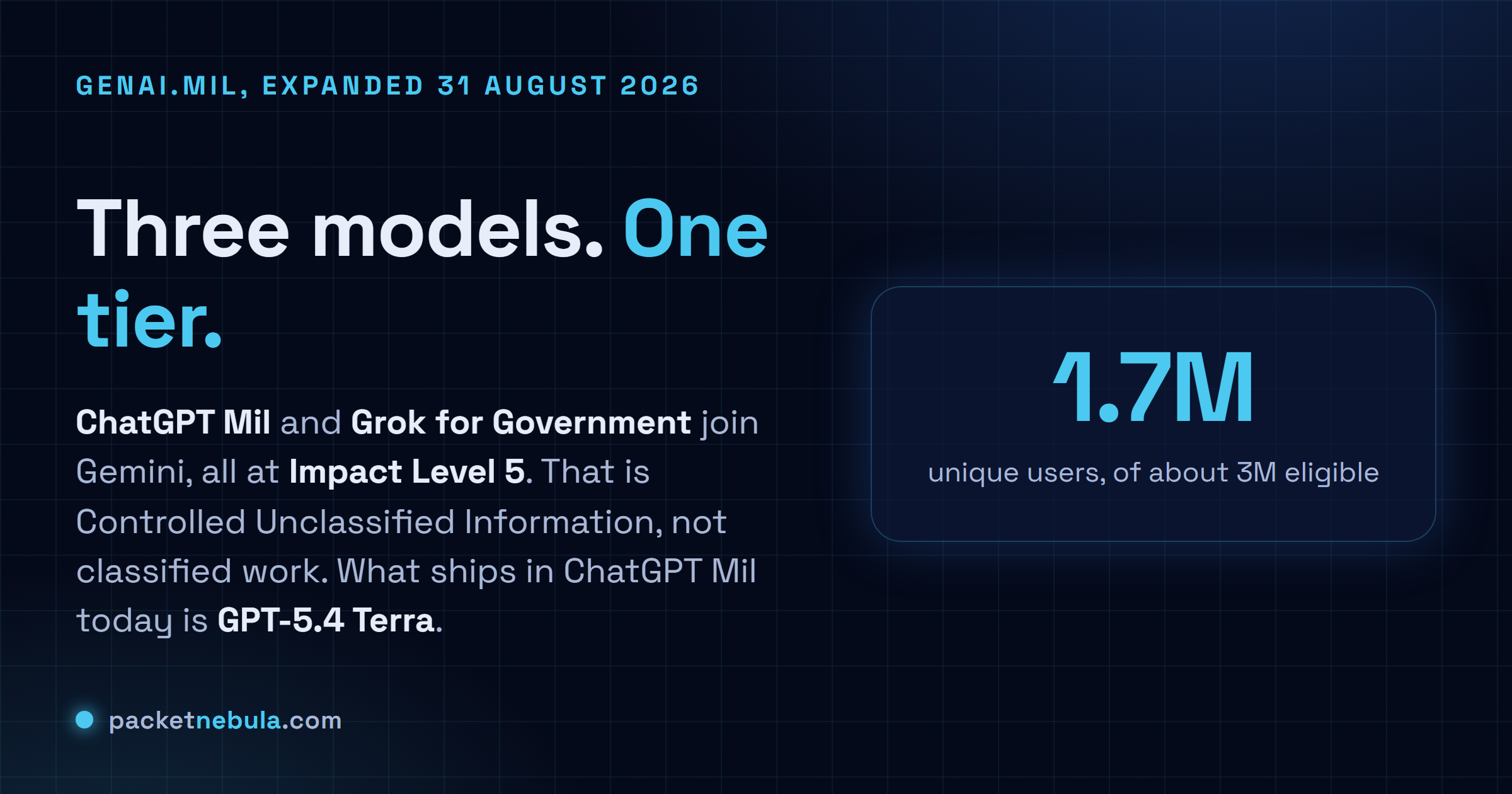
Answer card stating that on 31 August 2026 the Department of War added OpenAI ChatGPT Mil and Starshield AI Grok for Government to the GenAI.mil portal alongside Google Gemini, all three accredited at Impact Level 5 for Controlled Unclassified Information, with 1.7 million unique users onboarded out of roughly 3 million eligible personnel, and ChatGPT Mil currently serving GPT-5.4 Terra with GPT-5.6 Terra said to be rolling out.
495
SHARES
1.4k
VIEWS
Share on FacebookShare on Twitter

Nine months in, GenAI.mil ran on one model. Google's. Since Monday it runs on three: the Department of War switched on OpenAI's ChatGPT Mil and Starshield AI's Grok for Government on 31 August, both cleared at Impact Level 5. Reads like the week the Pentagon went all in on frontier AI. Mostly it isn't. IL5 tops out at sensitive unclassified data, the Controlled Unclassified Information tier, which is the paperwork half of the building rather than the interesting half. And the ChatGPT that landed is GPT-5.4 Terra, one version behind what OpenAI sells to the rest of us.

The short answer

ChatGPT Mil and Grok for Government joined Google Gemini on GenAI.mil on 31 August 2026, all accredited at Impact Level 5. That is the Controlled Unclassified Information tier, so this is the memo-and-logistics half of the Department, not classified work. Claude is still missing, four days after a federal judge erased the label that pushed it out.
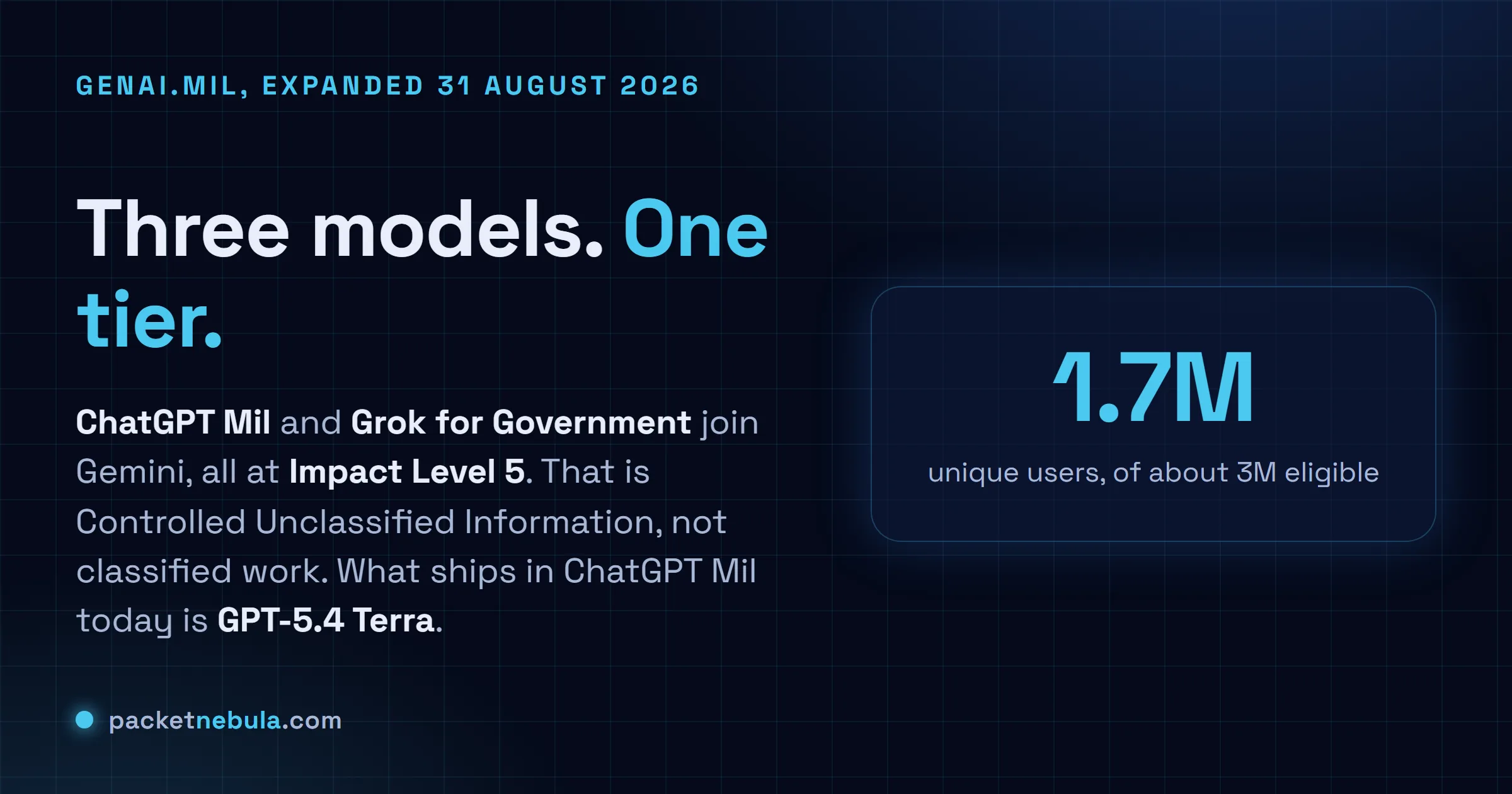
IL5sensitive unclassified only, on all three models
1.7Munique users, of about 3M eligible
GPT-5.4 Terrawhat ships today, 5.6 said to be coming
Answer card stating that on 31 August 2026 the Department of War added OpenAI ChatGPT Mil and Starshield AI Grok for Government to GenAI.mil alongside Google Gemini, all three accredited at Impact Level 5 for Controlled Unclassified Information, with 1.7 million unique users onboarded out of roughly 3 million eligible, and ChatGPT Mil currently serving GPT-5.4 Terra.
Three vendors, one accreditation tier. The tier is the story.

Three models now, and the tier they all share

GenAI.mil went live on 9 December 2025 with Google’s Gemini for Government and nothing else. Monday’s addition brings OpenAI’s ChatGPT Mil and Starshield AI’s Grok for Government onto the same portal, which means the Department’s Chief Digital and Artificial Intelligence Office has now lit up three of the four frontier vendors it holds contracts with.

The detail worth pinning down is IL5. It’s a Defense Department cloud accreditation level, and it caps what you may put in the box: non-public sensitive unclassified information, Controlled Unclassified Information included. Classified material lives higher up the stack and is not in scope here. So when the coverage says the military has ChatGPT now, what it has is an accredited environment for the document work. Planning packets. Policy drafts. Acquisition market research.

That’s not a knock. Honestly, CUI-tier drudgery is where a chat model earns its keep, and it’s the part of a 3 million person organisation that eats the most hours. But if you read the announcement expecting the interesting half of the building, it isn’t there.

What each one ships

ChatGPT Mil gives you chat, files, projects and custom GPTs, plus an Offline Search capability that comes back with citations. The model behind it is GPT-5.4 Terra, and DefenseScoop reports GPT-5.6 Terra as rolling out. One version behind at launch.

Grok for Government leads with reasoning instead: deep-thinking inference with Auto, Fast and Expert modes, customisable workspaces, persistent projects, plus reusable playbooks for repeated workflows.

Neither list is exotic, and that’s the point of an accredited build. Accreditation is granted against a specific configuration, so every model swap and every feature flag is a paperwork event, which is exactly why the government edition trails the commercial one and probably always will. Worth remembering the next time somebody promises you a same-day model upgrade inside a regulated environment.
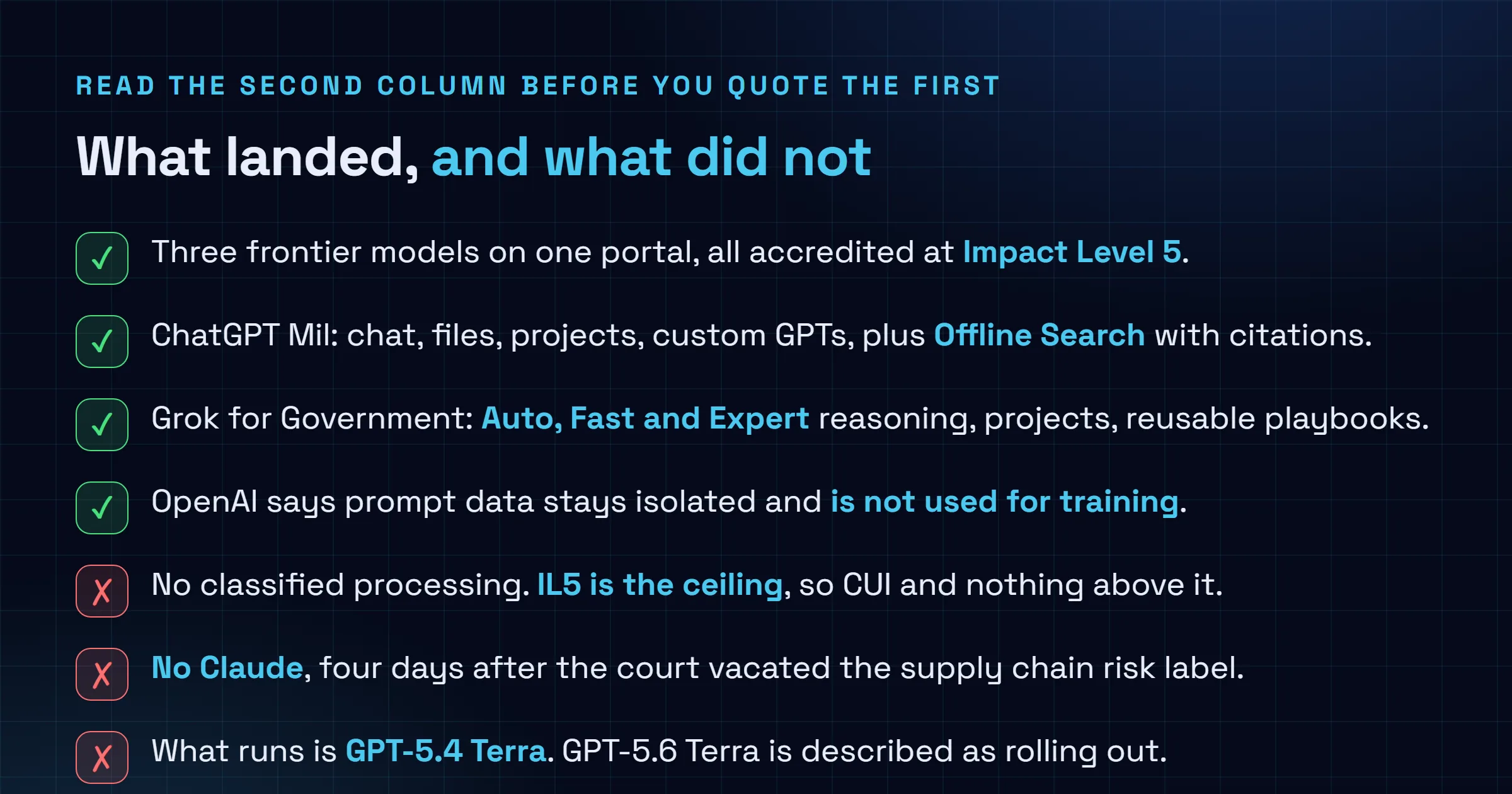
Checklist separating what GenAI.mil confirms as of 31 August 2026, including three frontier models accredited at Impact Level 5, ChatGPT Mil features covering chat and files and projects and custom GPTs, Grok reasoning modes, and OpenAI's statement that prompt data stays isolated from training, from what it does not cover, namely classified processing above IL5, Anthropic Claude which remains absent, and contract values which were not disclosed.
The absence column is the one people skip.

The Claude-shaped hole, and the clause everyone forgot

Here’s the bit that made me reread the wire copy.

Anthropic is one of the four frontier vendors CDAO signed. It’s not on the platform, because the Department designated it a supply chain risk in early 2026 and pushed it out of federal eligibility. On 27 August a federal judge vacated that designation and stacked a permanent injunction on top. Four days later, this announcement, without Claude in it. Which tracks with what the order actually does: restoring a vendor’s eligibility isn’t the same as awarding that vendor anything.

The underlying fight was about usage restrictions. The Department wanted its models available for all lawful purposes, Anthropic kept carve-outs on lethal autonomous weapons and mass domestic surveillance, and the ban followed.

Now go read OpenAI’s published national security principles. They commit, contractually, to no use of the technology for mass domestic surveillance, no use to direct autonomous weapons systems, and no high-stakes automated decisions without meaningful human judgment. Joe Larson, OpenAI’s VP and head of government, put Monday’s integration squarely on those principles.

I might be reading too much into two documents I only have the public version of. But from outside, those restrictions look close enough that the difference in outcome is hard to explain by the restrictions alone. Something else decided it, and the public record doesn’t say what.

Is anyone actually using it

More than I expected, which is the genuinely interesting number here.

1.7 million unique users onboarded out of roughly 3 million eligible, up from 1.5 million reported in June. Enterprise software rarely posts adoption like that, and part of the reason is that it wasn’t optional everywhere: a January memorandum made GenAI.mil the mandated path for the Navy and Marine Corps, with a transition deadline of 30 April.

The concrete use case doing the rounds comes from the Army’s XVIII Airborne Corps, which produced a full exercise operations order for U.S. Southern Command in six weeks. The Department’s framing is that the traditional path takes six to nine months and a bigger staff. Take that comparison as the Department’s, not as an independent measurement, because nobody has published the methodology behind it.
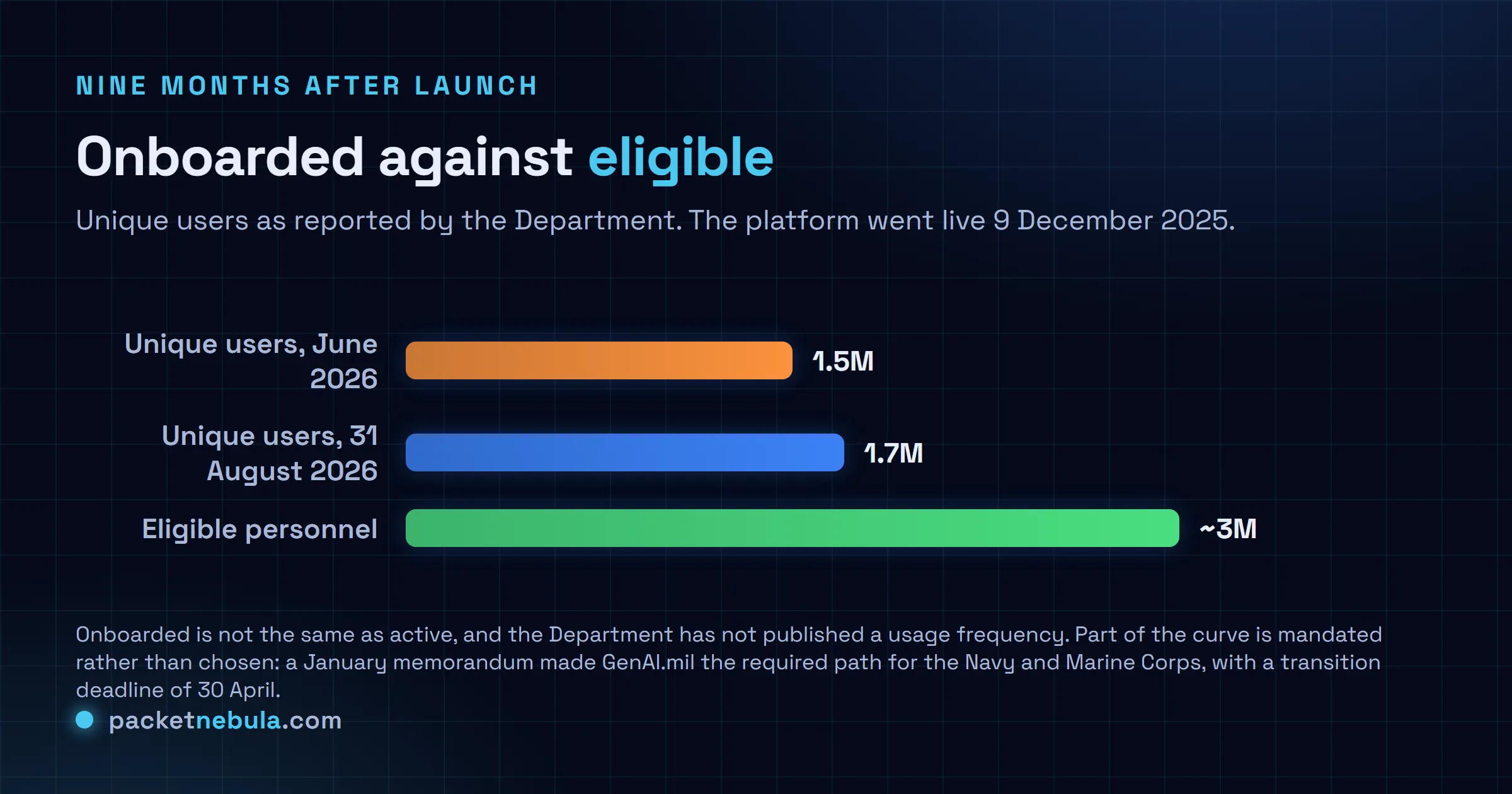
Horizontal bar chart of GenAI.mil adoption showing 1.5 million unique users reported in June 2026, 1.7 million reported on 31 August 2026, and roughly 3 million Department of War civilians, service members and contractors eligible for the platform.
Half the eligible population in nine months. Mandates help.

If you build for public sector customers, the transferable lesson is duller than the headline and more useful. The accreditation tier decides your feature set, the mandate decides your adoption curve, and the model version you ship is whatever survived the paperwork. None of that changes because the vendor logo does.

We’ll come back to this when GPT-5.6 Terra is confirmed live rather than rolling out, or when a fourth model appears. For what the same GPT-5.6 family is doing on the commercial side, see our notes on ChatGPT’s Site tools and WebMCP.

Sources

The launch, the IL5 accreditation and the user numbers come from DefenseScoop and TechCrunch, both dated 31 August 2026. The XVIII Airborne Corps example, the Navy mandate and the data isolation statement are from Military Times. The original platform launch on Gemini for Government is documented in DefenseScoop’s December 2025 report. OpenAI’s restrictions are published in Our approach to government and national security partnerships. Our earlier piece on the court order is Anthropic v. Pentagon: supply chain risk label vacated.

Frequently asked questions

What is GenAI.mil and who can use it?

It is the Department of War's central portal for commercial frontier models, launched in December 2025 on Google Gemini for Government. It is open to Department civilians, service members and contractors, roughly 3 million people. The Department says 1.7 million unique users have been onboarded so far, up from 1.5 million reported in June 2026.

Does Impact Level 5 mean classified work is allowed?

No. IL5 is the highest DoD cloud tier for non-public sensitive unclassified information, which includes Controlled Unclassified Information. Classified processing sits above it. Every model on GenAI.mil today is accredited at IL5, so the platform covers planning, policy, logistics and administrative work, not secret material.

Which model version does ChatGPT Mil actually run?

GPT-5.4 Terra at launch, with GPT-5.6 Terra described as rolling out. The feature set is chat, files, projects and custom GPTs, plus an Offline Search capability that returns citations. That trails the commercial ChatGPT surface, which is normal for an accredited environment: accreditation is granted against a build, so every model swap is a paperwork event.

Is prompt data used to train OpenAI models?

OpenAI says no. Its position is that data processed on GenAI.mil stays isolated inside the government environment and is not used to train or improve its public or commercial models. That is the vendor's own statement rather than something anyone can verify from outside, and the accreditation documents behind it are not public.

Why is Anthropic's Claude not on the platform?

Anthropic was designated a supply chain risk by the Department in early 2026 and pushed out of federal vendor eligibility. A federal judge vacated that designation on 27 August 2026 and added a permanent injunction, but vacatur restores eligibility rather than compelling any purchase, and the wider litigation is still running. Claude was not part of Monday's announcement.

Tags: aillmnewsopenaipolicyprocurement
Share198Tweet124
stephane

stephane

  • Trending
  • Comments
  • Latest
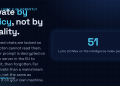
Answer card: Proton Lumo 2.0 is private by policy, not by locality. Saved history is locked so even Proton cannot read it, but the prompt is decrypted on a Proton EU server to answer it, then forgotten.

Proton Lumo 2.0 review: how private is it, really?

3 September 2026
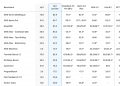
The Agentic Coding section of the official Hy4 preview benchmark appendix published by Tencent, a table comparing Hy3 and Hy4 preview against DeepSeek V4 Pro 0813, Qwen 3.8 Max, GLM 5.3, Kimi K3, GPT 5.6 Sol and Claude Opus 5 across SWE-bench Multilingual, SWE-bench Pro, DeepSWE, three SWE Atlas tasks, SWE-Marathon, Terminal-Bench 2.1, NL2Repo-Bench, CyberGym, ProgramBench, PostTrainBench and Harbor-Index.

Tencent’s 770B Hy4 tops one benchmark row in 46

3 September 2026
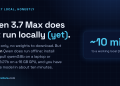
Answer card: Qwen 3.7 Max is API-only and cannot run locally yet; the open Qwen models (Qwen 3.6 27B, qwen3:8b to 32b) run offline via Ollama.

Qwen 3.7 local: what you can actually run offline

22 June 2026
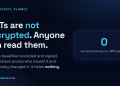
Answer card: JWTs are not encrypted, anyone can read them; the signature proves who issued the token, not who may read it.

Are JWTs encrypted? No, and the difference will bite you

0
Answer card: a random 8 character password falls in under 2 hours offline, while 16 random characters hold for 1.4 trillion years at the same speed.

How long does it take to crack a password in 2026?

0
Answer card: three DNS records decide if your mail lands or bounces; SPF lists allowed senders, DKIM signs messages, DMARC sets the failure policy.

SPF, DKIM and DMARC explained: the records your email needs

0
The official xAI announcement card for Grok 4.7, white type on a dark grey and navy gradient.

Grok 4.7 keeps $2 and $6, and its gains over 4.6 are xhigh versus high

22 September 2026
Answer card stating that Qwen-Image-2.1, released on 20 September 2026, ships open weights with a 7 billion parameter diffusion transformer, a Qwen3-VL 8B text encoder and an RGBA VAE totalling about 33 gigabytes in BF16, under the Qwen Research License that limits use to research or evaluation and requires a separate commercial licence, unlike the Apache 2.0 licence of Qwen-Image 1.0.

Qwen-Image-2.1 brings the weights back, but not the Apache licence

21 September 2026
Answer card stating that Ternary Bonsai 2 27B, released by PrismML on 17 September 2026 under Apache 2.0, packs Qwen3.8 27B into 5.95 gigabytes at 1.72 bits per weight, keeps 98.2 percent of the 14-benchmark average, about 75 percent on SWE-bench Verified and Terminal-Bench 2.1, and needs PrismML's llama.cpp fork to run.

Does Bonsai 2 27B really keep 98% of Qwen3.8 in 5.95 GB?

20 September 2026
  • About
  • Contact
  • Privacy
  • Legal

Copyright © 2026 Stephane Cardon.

Welcome Back!

Login to your account below

Forgotten Password?

Retrieve your password

Please enter your username or email address to reset your password.

Log In
No Result
View All Result
  • Home
  • Articles
    • Security
    • Network
    • Dev
    • Sysadmin
    • SEO
    • Email & DNS
  • Tools
    • Network tools: free, fast, no signup
    • Security tools: free, fast, no signup
    • Developer tools: free, fast, no signup
    • Sysadmin tools: free, fast, no signup
    • SEO tools: free, fast, no signup
    • Email & DNS tools: free, fast, no signup
  • Download
  • About

Copyright © 2026 Stephane Cardon.