
• Latest
  • Trending
  • All
Four Microduck biped robots photographed side by side on a black background in the Sky, Graphite, Cream and Lavender colourways, each about 25 centimetres tall with a large duck-bill head housing a camera lens, exposed black servo-driven legs and coloured plastic feet.

Microduck is $399, with open software and closed hardware

3 September 2026
The official xAI announcement card for Grok 4.7, white type on a dark grey and navy gradient.

Grok 4.7 keeps $2 and $6, and its gains over 4.6 are xhigh versus high

22 September 2026
Answer card stating that Qwen-Image-2.1, released on 20 September 2026, ships open weights with a 7 billion parameter diffusion transformer, a Qwen3-VL 8B text encoder and an RGBA VAE totalling about 33 gigabytes in BF16, under the Qwen Research License that limits use to research or evaluation and requires a separate commercial licence, unlike the Apache 2.0 licence of Qwen-Image 1.0.

Qwen-Image-2.1 brings the weights back, but not the Apache licence

21 September 2026
Answer card stating that Ternary Bonsai 2 27B, released by PrismML on 17 September 2026 under Apache 2.0, packs Qwen3.8 27B into 5.95 gigabytes at 1.72 bits per weight, keeps 98.2 percent of the 14-benchmark average, about 75 percent on SWE-bench Verified and Terminal-Bench 2.1, and needs PrismML's llama.cpp fork to run.

Does Bonsai 2 27B really keep 98% of Qwen3.8 in 5.95 GB?

20 September 2026
Answer card stating that Jev 1.13 from TypeSafe AI is a decision model in early access since 15 September 2026 that returns typed probabilities instead of text, priced at 42 dollars per billion input tokens with output tokens free, answering in 70 to 500 milliseconds, with a 64K token request budget, text input only, and a documented list of things it does badly, including counting and dates.

Jev 1.13 bills $42 a billion tokens, and it can’t count

19 September 2026
Answer card stating that Qwen3.8-Omni-Flash launched on 17 September 2026 as an API only model on Alibaba Cloud Model Studio, taking text, images, audio and video in a 1M token context and returning text only, priced at 0.15 dollars per million input tokens for every modality and 0.47 dollars per million output tokens in the international regions, with no open weights published and the Qwen-Live Harness GitHub repository returning 404.

Qwen3.8-Omni-Flash bills audio at $0.15 and ships no weights

18 September 2026
Answer card stating that on 15 September 2026 AWS said it is unable to restore access to resources and data hosted exclusively in the Middle East Bahrain region me-south-1 and in the mec1-az2 zone of the UAE region, because the damage spanned multiple Availability Zones and exceeded what multi-AZ services are designed to withstand.

AWS can’t restore me-south-1, six months after the drone strikes

17 September 2026
Answer card stating that Google released Gemini 3.8 Live and Gemini 3.8 Live Extended Thinking on 15 September 2026 at 3 dollars per million audio input tokens and 12 dollars out, that the thinking model requires asynchronous tools, and that Artificial Analysis scores it 82.6 on its Speech to Speech Quality Index.

Gemini 3.8 Live Extended Thinking rejects any tool that blocks

16 September 2026
Answer card summarising the Atria Dawn Preview release: 744B GLM-5.2 base, MIT licence, 1.5 TB BF16 and 756 GB FP8 checkpoints, 256K context, top on five of sixteen benchmark rows and trailing on SWE-bench Pro.

Atria Dawn Preview is 744B under MIT, and the BF16 weighs 1.5 TB

15 September 2026
Answer card stating that OpenAI released the Agents API in public beta on 10 September 2026 with no separate fee, billed through model tokens, tool calls and hosted sandbox time, with a choice of OpenAI hosted, self hosted or partner sandboxes, US only data residency and no Zero Data Retention support.

OpenAI’s Agents API has no fee, no ZDR and a one hour sandbox clock

14 September 2026
Answer card: Sakana Fugu Max at $2 and $6 per million tokens, Fugu Ultra v2 unchanged at $5 and $30, and Sakana saying Ultra v2 scores without Fable 5 or GPT-6 Astra in its pool.

Fugu Max costs $2 and $6 while Fugu Ultra v2 runs without Fable 5

13 September 2026
Answer card stating that DeepSeek released DeepSeek-V4.1-Flash on 10 September 2026 as a 552 billion parameter mixture of experts model with a new causal encoder decoder architecture that activates 8 billion parameters on input and 16 billion on output, with native vision, a one million token context and MIT licensed weights, that the API model name is now deepseek-flash at 0.15 dollars per million input tokens and 0.60 dollars per million output tokens off peak, and that DeepSeek announced V4 Pro would be routed to V4.1-Flash from 14 September and reversed that on 11 September.

DeepSeek V4.1-Flash arrived, and the V4 Pro retirement lasted a day

12 September 2026
Answer card stating that Cognition released SWE-2 on 10 September 2026, a coding model post-trained from Kimi K3, scoring 50.0 percent on FrontierCode 1.1 Main against 50.9 percent for Claude Fable 5.1 and 27.3 percent on Terminal-Bench 4 against 55.8 percent, available only inside Devin.

SWE-2 trails Fable 5.1 by one point, and by 28 on Terminal-Bench 4

11 September 2026
  • About
  • Contact
  • Privacy
  • Legal
Tuesday, September 22, 2026
  • Login
Packet Nebula
  • Home
  • Articles
    • Security
    • Network
    • Dev
    • Sysadmin
    • SEO
    • Email & DNS
  • Tools
    • Network tools: free, fast, no signup
    • Security tools: free, fast, no signup
    • Developer tools: free, fast, no signup
    • Sysadmin tools: free, fast, no signup
    • SEO tools: free, fast, no signup
    • Email & DNS tools: free, fast, no signup
  • Download
  • About
No Result
View All Result
Packet Nebula
No Result
View All Result
Home Dev

Microduck is $399, with open software and closed hardware

by stephane
3 September 2026
in Dev
0
Four Microduck biped robots photographed side by side on a black background in the Sky, Graphite, Cream and Lavender colourways, each about 25 centimetres tall with a large duck-bill head housing a camera lens, exposed black servo-driven legs and coloured plastic feet.
500
SHARES
1.4k
VIEWS
Share on FacebookShare on Twitter

Four robot ducks on a black backdrop, 25 centimetres tall, in cream and graphite and lavender and sky. That launch shot is doing a lot of work. Pollen Robotics, the French outfit Hugging Face bought last year, opened Microduck pre-orders on 27 August at 399 dollars, and the machine under the cuteness is real: 15 motors, a camera, an 8x8 time-of-flight lidar, a beak that grabs, seven reinforcement-learning policies you can retrain yourself. Where we'd slow down is the phrase everyone reached for. The software stack genuinely is Apache 2.0, runtime and training pipeline both. The mechanical and electronic design files are not published. So Microduck is an open software robot, not open source hardware, which is a step back from Reachy Mini. Worth knowing before you buy one as a teaching platform.

The short answer

Pollen Robotics, owned by Hugging Face, is selling a 25 cm walking robot for 399 dollars with 15 motors, a lidar, a grasping beak and seven retrainable RL policies. The runtime and the training stack are Apache 2.0 on GitHub. The mechanical and electronic design files are not, so the “open source robot” headline needs an asterisk. Pre-orders opened 27 August. The Christmas delivery target is already gone for new orders.
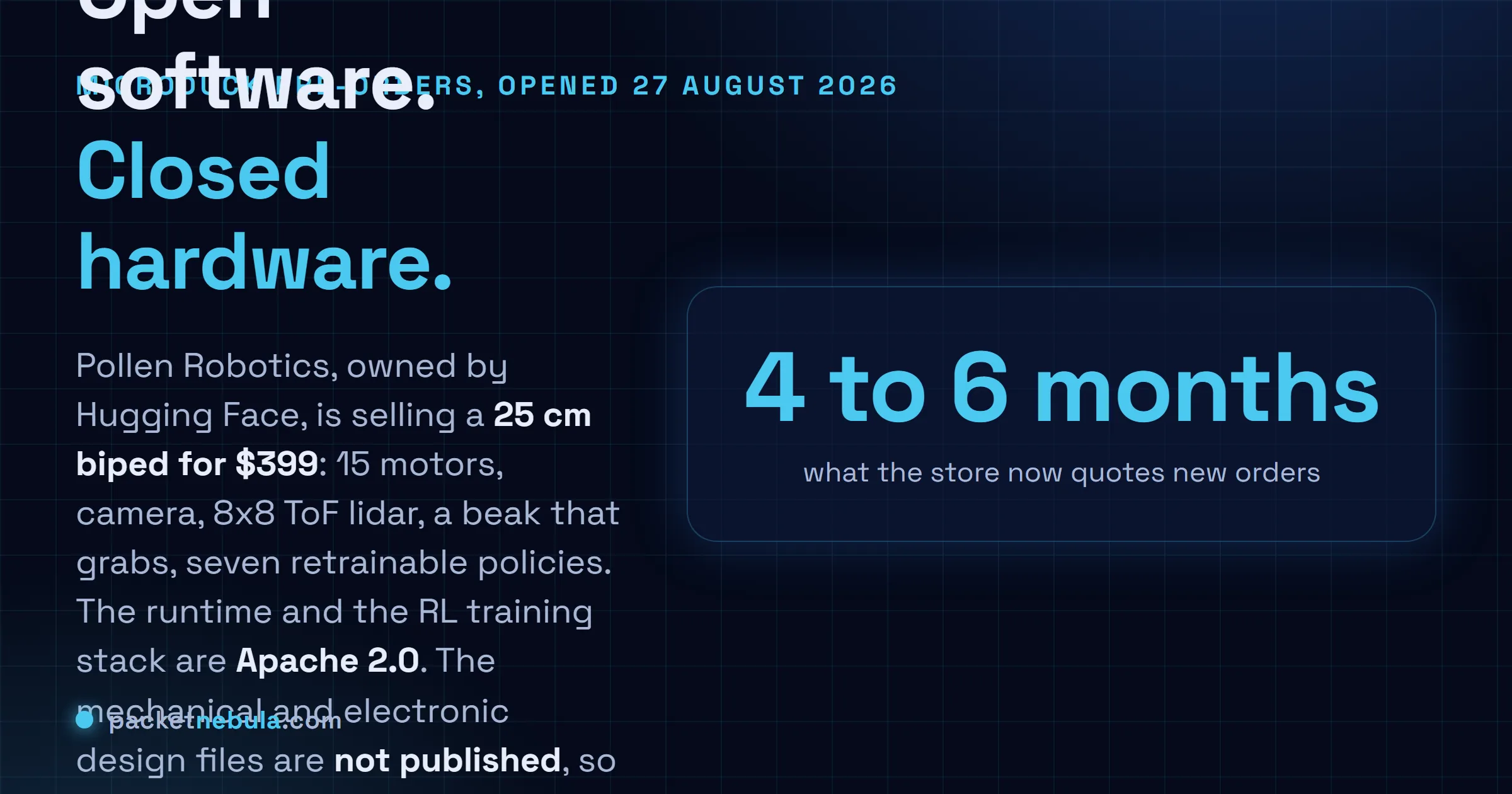
$399intro price, EUR 340, pre-order
Apache 2.0software only, not the CAD
4 to 6 mowait the store now quotes
Answer card stating that Pollen Robotics opened Microduck pre-orders on 27 August 2026 at 399 dollars for a 25 centimetre 780 gram biped with 15 motors, a camera, an eight by eight time of flight lidar and a grasping beak, that the runtime and reinforcement learning repositories are Apache 2.0 but the mechanical and electronic design files are not published, and that the store now quotes four to six months for new orders.
The short version. A real robot at a real price, with a licence claim that only covers half of it.

What Pollen actually shipped

Start with the hardware, because it’s better than the price suggests.

Twenty-five centimetres, about 780 grams, and 15 motors spread across the legs, neck and head. There’s an articulated beak that grabs things, which is a genuinely unusual choice: most robots this size get a fixed shell and a wiggle. Sensing runs to a front camera, an 8x8 time-of-flight lidar, a pair of IMUs, microphones and a speaker. Two NFC antennas, so the thing can read tags off the floor. Wi-Fi and Bluetooth.

That lidar spec deserves a beat, because “lidar” in a headline conjures a spinning drum on a robotaxi roof. An 8x8 ToF array is a 64-pixel depth sensor, roughly the class of part in a modern phone’s autofocus. It’s plenty for “is there a wall” and useless for mapping a room in detail. Not a criticism, just a right-sizing.
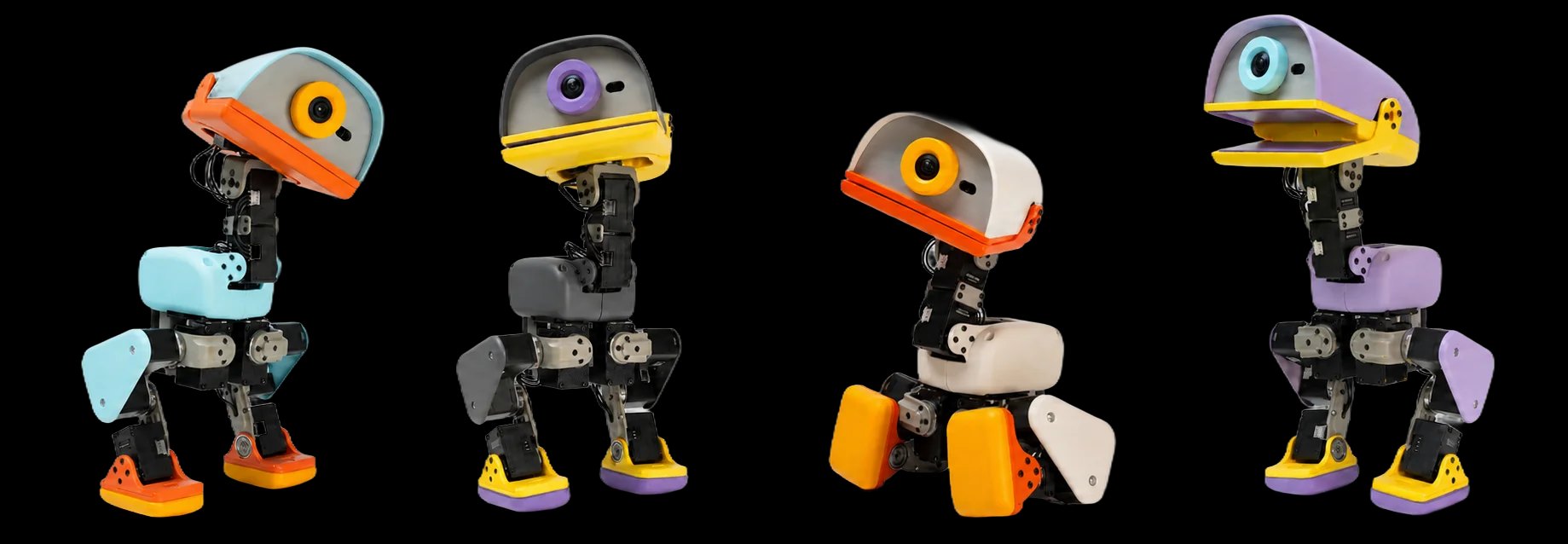
Four Microduck robots side by side in the Sky, Graphite, Cream and Lavender colourways, each with a large duck-bill head holding a camera lens above exposed black servo legs and coloured plastic feet.
Image: Pollen Robotics (the four Microduck colourways: Sky, Graphite, Cream, Lavender)

The brain is a Rockchip RK3566 with an AI accelerator, 1 GB of RAM, 32 GB of storage, running a 50 Hz policy loop. That’s a cheap Android TV box chip, and it tells you exactly what this robot is for. Nothing resembling a language model runs on it. The onboard job is loading a small exported control policy and hitting its deadline fifty times a second, which the RK3566 does fine.

Power comes from a removable NP-F550. That’s the standard Sony-style camera battery you can buy anywhere for pocket change, and picking a commodity cell over a glued-in custom pack is the single most developer-friendly decision on the whole spec sheet. It’s good for about an hour. Buy three.

The licence, read carefully

Here’s the part the coverage skated past.

Two repositories are public and Apache 2.0: pollen-robotics/microduck, the runtime that manages the servo drivers and the control loop on the RK3566, and pollen-robotics/microduck_rl, the training side. The training repo is the interesting one. It’s not a black box you poke with an SDK. The reward functions are readable, the sim-to-real recipe is documented, and policies train in MuJoCo with PPO before exporting to ONNX for the robot to load. Pollen puts a gait at roughly one to two hours of training at 4096 parallel environments, which is an afternoon on a rented GPU rather than a research project.

So the RL claim is real. You can genuinely retrain all seven shipped behaviours, and the seven are a decent spread: walking, sitting, crouching, kicking, roller-skating, plus recovery from common falls.

What isn’t public is the mechanical and electronic design. No CAD, no schematics, no board files. Which means you can fork the brain and not the body.
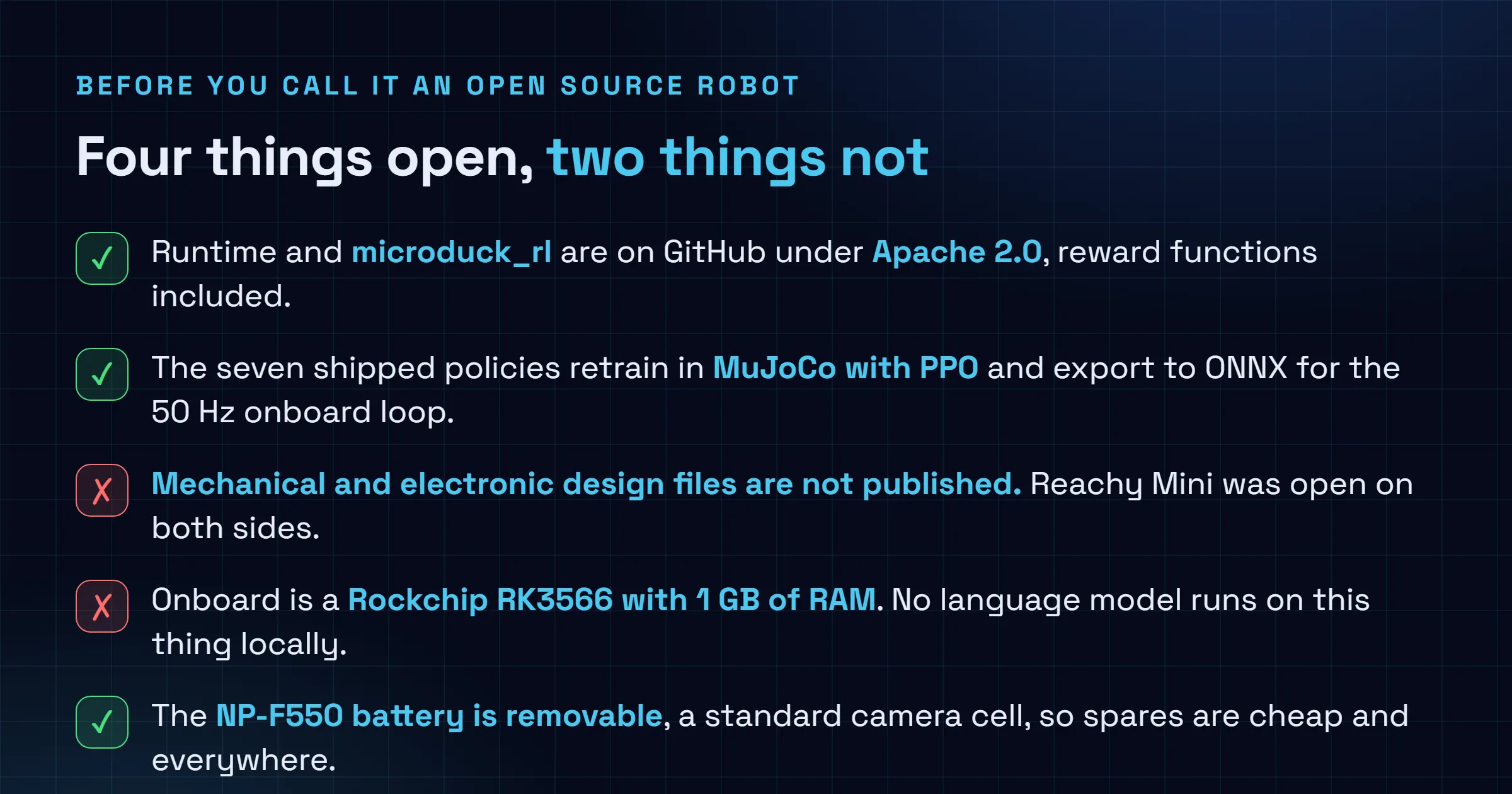
Checklist splitting what is genuinely open on Microduck from what is not: the runtime and microduck_rl repositories are Apache 2.0 with reward functions included, the seven policies retrain in MuJoCo with PPO and export to ONNX, but the mechanical and electronic design files are unpublished, the Rockchip RK3566 with 1 GB of RAM cannot run a language model locally, and the removable NP-F550 battery gives about one hour.
The split that matters if you're buying this for a lab or a classroom.

I keep coming back to Reachy Mini on this. Pollen’s previous desktop robot was open on both sides, hardware and software, and that was the headline feature. Microduck quietly drops half of it. Nobody’s obliged to open a mechanical design, and manufacturing a walking biped at 399 dollars probably depends on nobody else printing it. But if you’re a university buying twenty units because the marketing said open source, check which half you’re getting.

The price, and the other price

399 dollars, 340 euros, introductory, before tax and shipping. That’s the number in every headline and it’s honest as far as it goes.

Then you remember it walks. Motors in a legged robot are consumables, and Pollen knows it, which is why there’s a 119 dollar developer pack holding three spare motors, five motor cables, two batteries, a charger, ten NFC tags and tools. There’s a 39 dollar charger pack with a dual charger and two spare cells. Neither is optional in practice if the robot is going to be used rather than displayed.
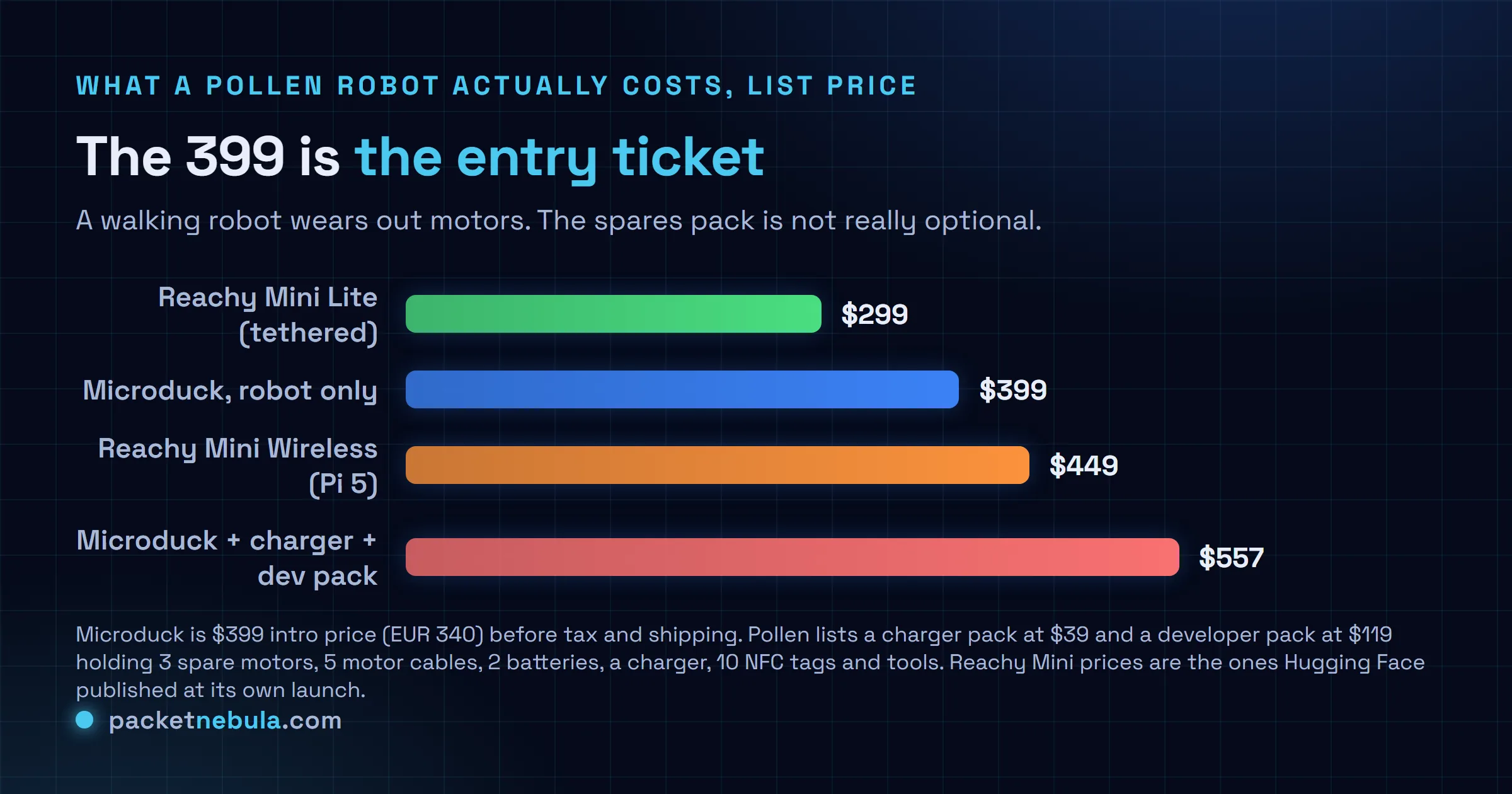
Bar chart comparing the list price of the Reachy Mini Lite at 299 dollars, Microduck alone at 399 dollars, the Reachy Mini Wireless at 449 dollars, and a realistic Microduck kit at 557 dollars once the 39 dollar charger pack and 119 dollar developer pack are included.
The entry price and the working price aren't the same number. They rarely are with legged hardware.

Call it 557 dollars for a kit that survives a semester. Still cheap for what it is. Just not 399.

The date already moved

This is the freshest thing in the story and it’s sitting on Pollen’s own store page rather than in any press release. The launch messaging said first deliveries were targeted before Christmas 2026. The product page now carries a notice saying the community ordered a lot of ducks, that Christmas can no longer be promised for new orders, and that the estimate is four to six months while production ramps.

Four to six months from late August lands somewhere in the first quarter of 2027. If you’re planning a course or a demo around this, plan around that number, not the one in the launch coverage. Honestly, a pre-order slipping under demand is the good version of this problem, and it beats the alternative where nobody ordered. But the gap between announcement and store page opened in under 48 hours, which is fast even by pre-order standards.

Who this is for

If you teach robotics or reinforcement learning, this is the most interesting thing in its price bracket, and the open training repo is why. A student can change a reward function, train a gait in MuJoCo over lunch, and watch the real robot walk differently. That loop, at 399 dollars, didn’t exist last year.

If you were hoping to design your own body around the electronics, you can’t, and the licence won’t get you there.

And if you’re watching this as a business signal rather than a purchase, it’s worth reading next to the reported Nvidia move on Hugging Face. A hub known for hosting weights now ships consumer hardware with a training stack attached, which is a different company than it was two years ago. The robot brains are getting cheaper and more open in parallel, as Google’s Gemini Robotics 2 benchmarks showed from the model side. Microduck is the cheap body arriving to meet them.

Order one if you’ll actually train something on it. Otherwise wait for the second batch, when the ship date means something.

Sources: pricing, colourways, launch regions, the full spec list and the revised delivery estimate come from Pollen Robotics’ own store listing and the Microduck product page, which also lists the accessory pack contents and prices. The runtime and training repositories are pollen-robotics/microduck on GitHub under Apache 2.0. Independent spec confirmation and the pre-order date come from Engadget and MarkTechPost, the latter also reporting the MuJoCo and PPO training figures and noting that the mechanical and electronic design files are not open. Reachy Mini prices are the ones Hugging Face published at that product’s launch.

Frequently asked questions

How much does Microduck cost and when does it ship?

Microduck is 399 dollars, or 340 euros, as an introductory pre-order price before tax and shipping. Pre-orders opened on 27 August 2026. The launch messaging targeted first deliveries before Christmas 2026, but Pollen's own store has already walked that back: it now says it cannot promise Christmas delivery for new orders and quotes an estimated four to six month wait while it ramps production. Launch regions are the US, Canada, the EU, the UK, Norway, Switzerland, Japan and South Korea.

Is Microduck actually open source?

The software is. Both the runtime repository (pollen-robotics/microduck) and the reinforcement-learning training repository (pollen-robotics/microduck_rl) are on GitHub under Apache 2.0, including the reward functions and the sim-to-real recipe. The mechanical and electronic design files are not published. That makes it an open software robot rather than open source hardware. Reachy Mini, the earlier Pollen product, was open on both sides, so this is a narrowing rather than an expansion.

What are Microduck's specs?

It stands 25 cm and weighs about 780 g. Fifteen motors are spread across the legs, neck and head, plus an articulated beak that can grasp small objects. Sensing is a front camera, an 8x8 time-of-flight lidar, two IMUs, microphones and a speaker, with dual NFC antennas. The brain is a Rockchip RK3566 with an AI accelerator, 1 GB of RAM and 32 GB of storage, running a 50 Hz onboard policy loop over Wi-Fi and Bluetooth. Power is a removable NP-F550 battery good for roughly an hour.

Can I train my own behaviours on it?

Yes, and that is the actual product. Seven policies ship pre-trained, covering walking, sitting, crouching, kicking, roller-skating and getting back up after a fall. All seven are retrainable. Training happens in MuJoCo with PPO across thousands of parallel environments, and the resulting policy exports to ONNX for the onboard loop to load. Pollen reports a gait converging in roughly one to two hours at 4096 environments, which puts a full training cycle inside an afternoon on a rented GPU.

Does Microduck run an LLM on board?

No. One gigabyte of RAM on an RK3566 is nowhere near enough, and Pollen does not claim otherwise. The onboard compute exists to run small exported control policies at 50 Hz, not language models. If you want an LLM in the loop, it runs off the robot and talks to it over Wi-Fi. Microduck also does not speak: it communicates through audio tones rather than speech, and each unit gets a persistent audio identity after setup.

Tags: hardwarehugging-facenewsopen-sourcereinforcement-learningrobotics
Share200Tweet125
stephane

stephane

  • Trending
  • Comments
  • Latest
Answer card: Proton Lumo 2.0 is private by policy, not by locality. Saved history is locked so even Proton cannot read it, but the prompt is decrypted on a Proton EU server to answer it, then forgotten.

Proton Lumo 2.0 review: how private is it, really?

3 September 2026
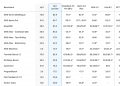
The Agentic Coding section of the official Hy4 preview benchmark appendix published by Tencent, a table comparing Hy3 and Hy4 preview against DeepSeek V4 Pro 0813, Qwen 3.8 Max, GLM 5.3, Kimi K3, GPT 5.6 Sol and Claude Opus 5 across SWE-bench Multilingual, SWE-bench Pro, DeepSWE, three SWE Atlas tasks, SWE-Marathon, Terminal-Bench 2.1, NL2Repo-Bench, CyberGym, ProgramBench, PostTrainBench and Harbor-Index.

Tencent’s 770B Hy4 tops one benchmark row in 46

3 September 2026
Answer card: Qwen 3.7 Max is API-only and cannot run locally yet; the open Qwen models (Qwen 3.6 27B, qwen3:8b to 32b) run offline via Ollama.

Qwen 3.7 local: what you can actually run offline

22 June 2026
Answer card: JWTs are not encrypted, anyone can read them; the signature proves who issued the token, not who may read it.

Are JWTs encrypted? No, and the difference will bite you

0
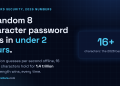
Answer card: a random 8 character password falls in under 2 hours offline, while 16 random characters hold for 1.4 trillion years at the same speed.

How long does it take to crack a password in 2026?

0
Answer card: three DNS records decide if your mail lands or bounces; SPF lists allowed senders, DKIM signs messages, DMARC sets the failure policy.

SPF, DKIM and DMARC explained: the records your email needs

0
The official xAI announcement card for Grok 4.7, white type on a dark grey and navy gradient.

Grok 4.7 keeps $2 and $6, and its gains over 4.6 are xhigh versus high

22 September 2026
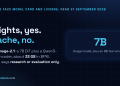
Answer card stating that Qwen-Image-2.1, released on 20 September 2026, ships open weights with a 7 billion parameter diffusion transformer, a Qwen3-VL 8B text encoder and an RGBA VAE totalling about 33 gigabytes in BF16, under the Qwen Research License that limits use to research or evaluation and requires a separate commercial licence, unlike the Apache 2.0 licence of Qwen-Image 1.0.

Qwen-Image-2.1 brings the weights back, but not the Apache licence

21 September 2026
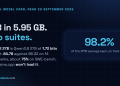
Answer card stating that Ternary Bonsai 2 27B, released by PrismML on 17 September 2026 under Apache 2.0, packs Qwen3.8 27B into 5.95 gigabytes at 1.72 bits per weight, keeps 98.2 percent of the 14-benchmark average, about 75 percent on SWE-bench Verified and Terminal-Bench 2.1, and needs PrismML's llama.cpp fork to run.

Does Bonsai 2 27B really keep 98% of Qwen3.8 in 5.95 GB?

20 September 2026
  • About
  • Contact
  • Privacy
  • Legal

Copyright © 2026 Stephane Cardon.

Welcome Back!

Login to your account below

Forgotten Password?

Retrieve your password

Please enter your username or email address to reset your password.

Log In
No Result
View All Result
  • Home
  • Articles
    • Security
    • Network
    • Dev
    • Sysadmin
    • SEO
    • Email & DNS
  • Tools
    • Network tools: free, fast, no signup
    • Security tools: free, fast, no signup
    • Developer tools: free, fast, no signup
    • Sysadmin tools: free, fast, no signup
    • SEO tools: free, fast, no signup
    • Email & DNS tools: free, fast, no signup
  • Download
  • About

Copyright © 2026 Stephane Cardon.