
• Latest
  • Trending
  • All
Answer card: New York froze state environmental permits for new data centers drawing 50MW or more, for up to a year, while it writes an environmental review.

New York just paused data centres above 50MW

3 September 2026
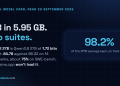
Answer card stating that Ternary Bonsai 2 27B, released by PrismML on 17 September 2026 under Apache 2.0, packs Qwen3.8 27B into 5.95 gigabytes at 1.72 bits per weight, keeps 98.2 percent of the 14-benchmark average, about 75 percent on SWE-bench Verified and Terminal-Bench 2.1, and needs PrismML's llama.cpp fork to run.

Does Bonsai 2 27B really keep 98% of Qwen3.8 in 5.95 GB?

20 September 2026
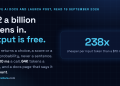
Answer card stating that Jev 1.13 from TypeSafe AI is a decision model in early access since 15 September 2026 that returns typed probabilities instead of text, priced at 42 dollars per billion input tokens with output tokens free, answering in 70 to 500 milliseconds, with a 64K token request budget, text input only, and a documented list of things it does badly, including counting and dates.

Jev 1.13 bills $42 a billion tokens, and it can’t count

19 September 2026
Answer card stating that Qwen3.8-Omni-Flash launched on 17 September 2026 as an API only model on Alibaba Cloud Model Studio, taking text, images, audio and video in a 1M token context and returning text only, priced at 0.15 dollars per million input tokens for every modality and 0.47 dollars per million output tokens in the international regions, with no open weights published and the Qwen-Live Harness GitHub repository returning 404.

Qwen3.8-Omni-Flash bills audio at $0.15 and ships no weights

18 September 2026
Answer card stating that on 15 September 2026 AWS said it is unable to restore access to resources and data hosted exclusively in the Middle East Bahrain region me-south-1 and in the mec1-az2 zone of the UAE region, because the damage spanned multiple Availability Zones and exceeded what multi-AZ services are designed to withstand.

AWS can’t restore me-south-1, six months after the drone strikes

17 September 2026
Answer card stating that Google released Gemini 3.8 Live and Gemini 3.8 Live Extended Thinking on 15 September 2026 at 3 dollars per million audio input tokens and 12 dollars out, that the thinking model requires asynchronous tools, and that Artificial Analysis scores it 82.6 on its Speech to Speech Quality Index.

Gemini 3.8 Live Extended Thinking rejects any tool that blocks

16 September 2026
Answer card summarising the Atria Dawn Preview release: 744B GLM-5.2 base, MIT licence, 1.5 TB BF16 and 756 GB FP8 checkpoints, 256K context, top on five of sixteen benchmark rows and trailing on SWE-bench Pro.

Atria Dawn Preview is 744B under MIT, and the BF16 weighs 1.5 TB

15 September 2026
Answer card stating that OpenAI released the Agents API in public beta on 10 September 2026 with no separate fee, billed through model tokens, tool calls and hosted sandbox time, with a choice of OpenAI hosted, self hosted or partner sandboxes, US only data residency and no Zero Data Retention support.

OpenAI’s Agents API has no fee, no ZDR and a one hour sandbox clock

14 September 2026
Answer card: Sakana Fugu Max at $2 and $6 per million tokens, Fugu Ultra v2 unchanged at $5 and $30, and Sakana saying Ultra v2 scores without Fable 5 or GPT-6 Astra in its pool.

Fugu Max costs $2 and $6 while Fugu Ultra v2 runs without Fable 5

13 September 2026
Answer card stating that DeepSeek released DeepSeek-V4.1-Flash on 10 September 2026 as a 552 billion parameter mixture of experts model with a new causal encoder decoder architecture that activates 8 billion parameters on input and 16 billion on output, with native vision, a one million token context and MIT licensed weights, that the API model name is now deepseek-flash at 0.15 dollars per million input tokens and 0.60 dollars per million output tokens off peak, and that DeepSeek announced V4 Pro would be routed to V4.1-Flash from 14 September and reversed that on 11 September.

DeepSeek V4.1-Flash arrived, and the V4 Pro retirement lasted a day

12 September 2026
Answer card stating that Cognition released SWE-2 on 10 September 2026, a coding model post-trained from Kimi K3, scoring 50.0 percent on FrontierCode 1.1 Main against 50.9 percent for Claude Fable 5.1 and 27.3 percent on Terminal-Bench 4 against 55.8 percent, available only inside Devin.

SWE-2 trails Fable 5.1 by one point, and by 28 on Terminal-Bench 4

11 September 2026
Answer card for Meta Muse, free to 100 million tokens a week then $20 a month, launched 8 September 2026 for United States adults only, running in a dedicated per user virtual machine.

Does Meta Muse do enough to earn your inbox and a card on file?

9 September 2026
Answer card stating that the public download pages for the VMware Virtual Disk Development Kit on developer.broadcom.com began returning 404 errors on 25 August 2026 with no announcement or deprecation notice, that Broadcom support tells customers the kit is no longer available for use or download, and that release lines 7.0.3.1, 8.x and 9.x are all affected.

Broadcom pulled VDDK 8.0 and 9.0, and the 404 is the only notice

8 September 2026
  • About
  • Contact
  • Privacy
  • Legal
Sunday, September 20, 2026
  • Login
Packet Nebula
  • Home
  • Articles
    • Security
    • Network
    • Dev
    • Sysadmin
    • SEO
    • Email & DNS
  • Tools
    • Network tools: free, fast, no signup
    • Security tools: free, fast, no signup
    • Developer tools: free, fast, no signup
    • Sysadmin tools: free, fast, no signup
    • SEO tools: free, fast, no signup
    • Email & DNS tools: free, fast, no signup
  • Download
  • About
No Result
View All Result
Packet Nebula
No Result
View All Result
Home Sysadmin

New York just paused data centres above 50MW

by stephane
3 September 2026
in Sysadmin
0
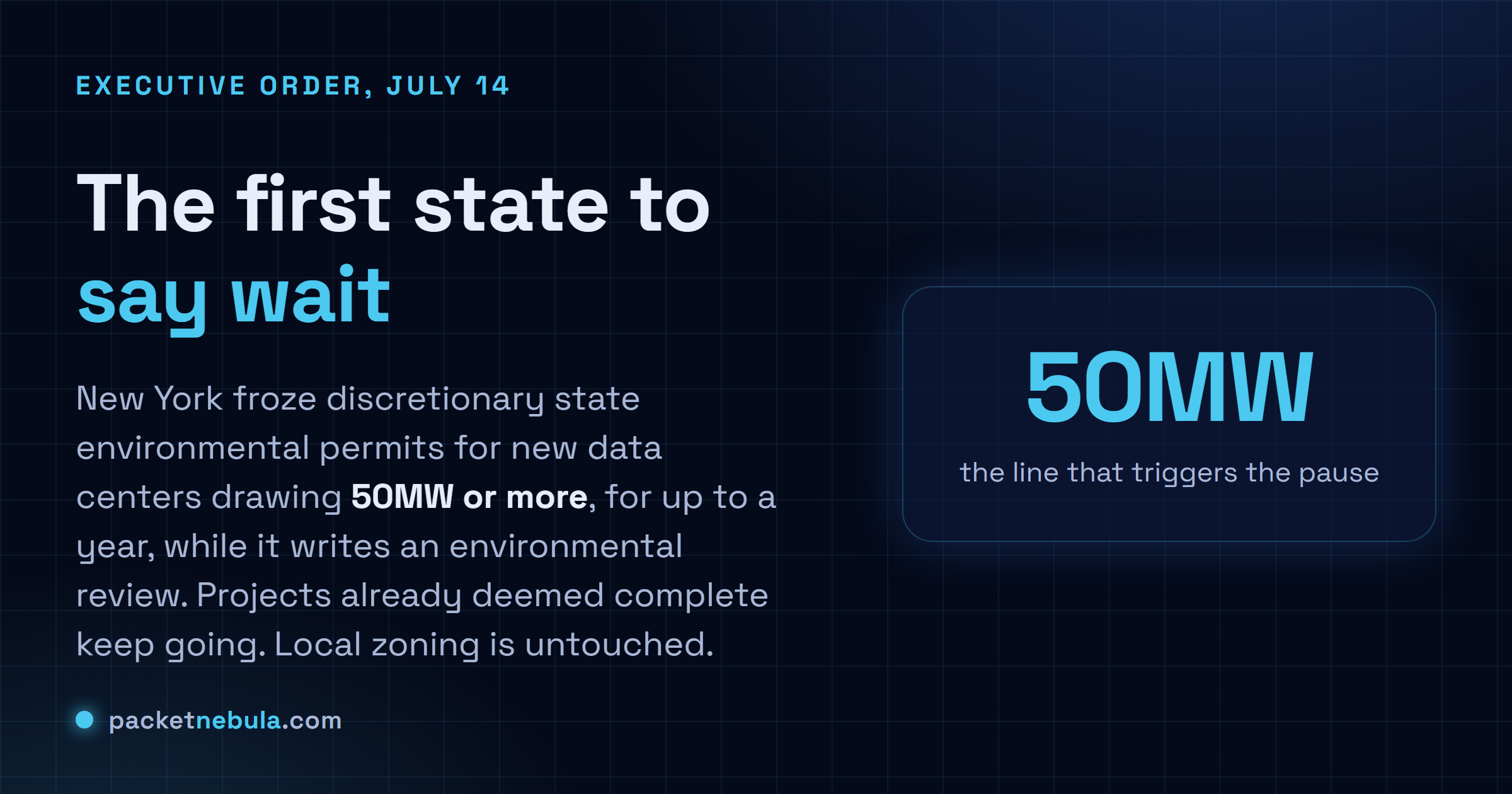
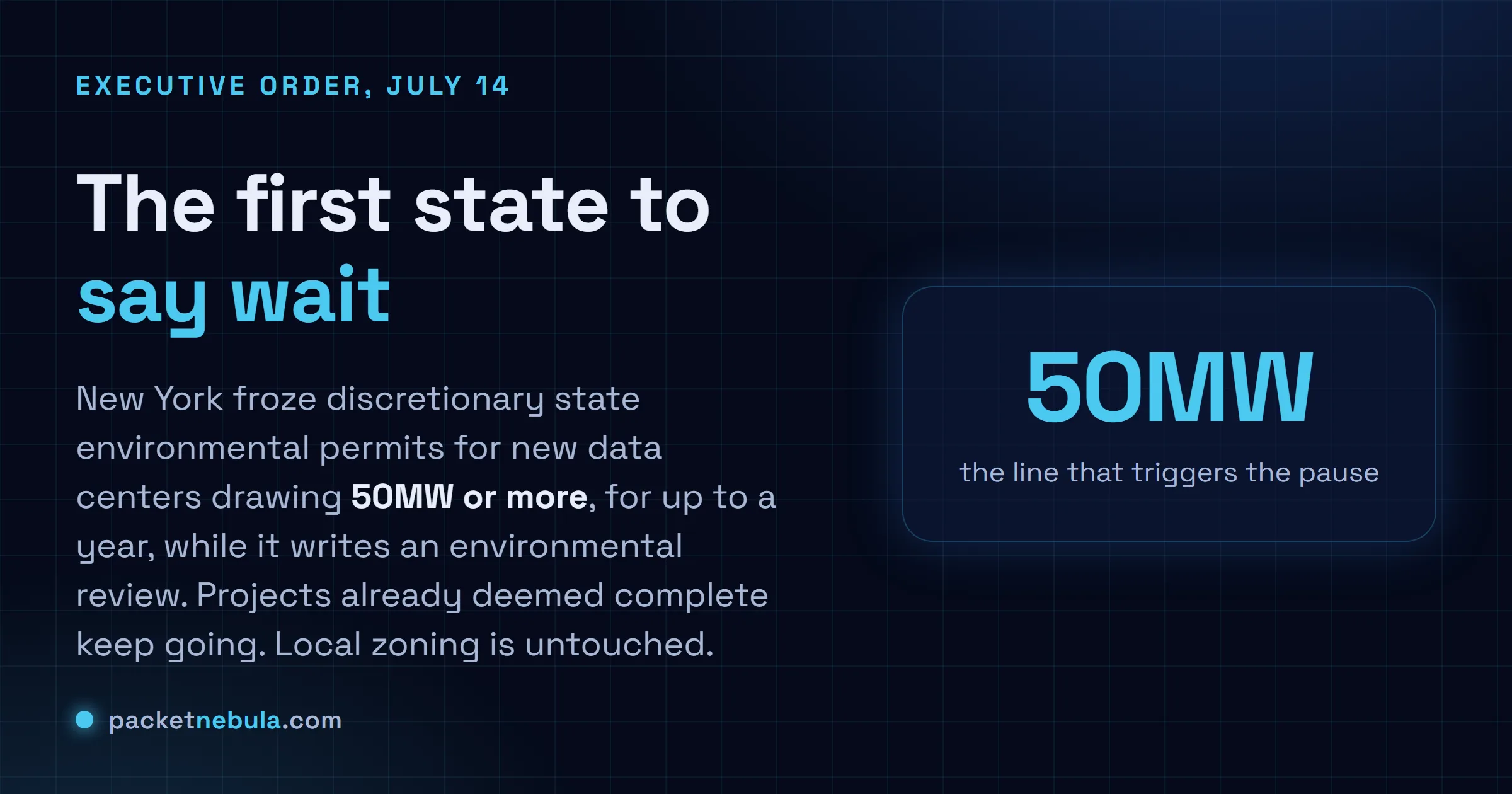
Answer card: New York froze state environmental permits for new data centers drawing 50MW or more, for up to a year, while it writes an environmental review.
491
SHARES
1.4k
VIEWS
Share on FacebookShare on Twitter

Your instances started this morning exactly like they did yesterday, and nothing about them cares what Albany did. Fine. But New York became the first state in the country to pause new hyperscale data centers on Tuesday, and the shape of it is worth ten minutes. Governor Hochul's executive order freezes discretionary state environmental permits for new data centers drawing 50 megawatts or more, for up to a year, while the state writes a proper environmental review. Projects whose applications were already deemed complete keep moving. Local zoning is untouched. Hospitals, schools and factories are carved out. So the direct blast radius is close to zero for almost everyone reading this, and I'd rather say that in the first paragraph than build a scare out of it. The parts that actually matter are the interconnection queue underneath, and a wider bill sitting unsigned on her desk.

The short answer

New York froze discretionary state environmental permits for new data centers at 50 megawatts and up, for up to a year, while it writes the rules it never had. Anything already deemed complete proceeds. Local zoning still rules. Existing sites keep humming. Your bill doesn’t move. The thing worth watching is the 20MW bill she hasn’t signed.
50MWtriggers the pause
1 yearmaximum duration
148NY data centers, untouched
Answer card: New York froze state environmental permits for new data centers drawing 50MW or more, for up to a year, while it writes an environmental review.
The one-card version. A permitting story, not a capacity story. Yet.

What the order says

Hochul signed it Tuesday, July 14. The Department of Environmental Conservation stops issuing discretionary permits for new or expanded data centers whose applications hadn’t already been deemed complete by that date. The pause holds for up to a year while the Department of Public Service produces a Generic Environmental Impact Statement, which is the document New York should probably have had before 12,000 megawatts showed up asking for a plug.

The line is 50 megawatts. Hochul put that in human terms, calling it the power equivalent of 50,000 homes.

Two more pieces came with it. Empire State Development has 60 days to publish a Community Investment Framework. And there’s an “Energize NY” proceeding aimed at making large data centers either generate their own power or pay premium rates for grid access, which is the part I’d actually read closely if I worked at a hyperscaler, because it’s about who eats the cost of new generation.

Her framing was blunt: progress shouldn’t arrive with a higher utility bill, a depleted water supply, or noise pollution.

The carve-outs are most of the story

Read the exemptions before you read the headline. They’re where a moratorium either bites or doesn’t.
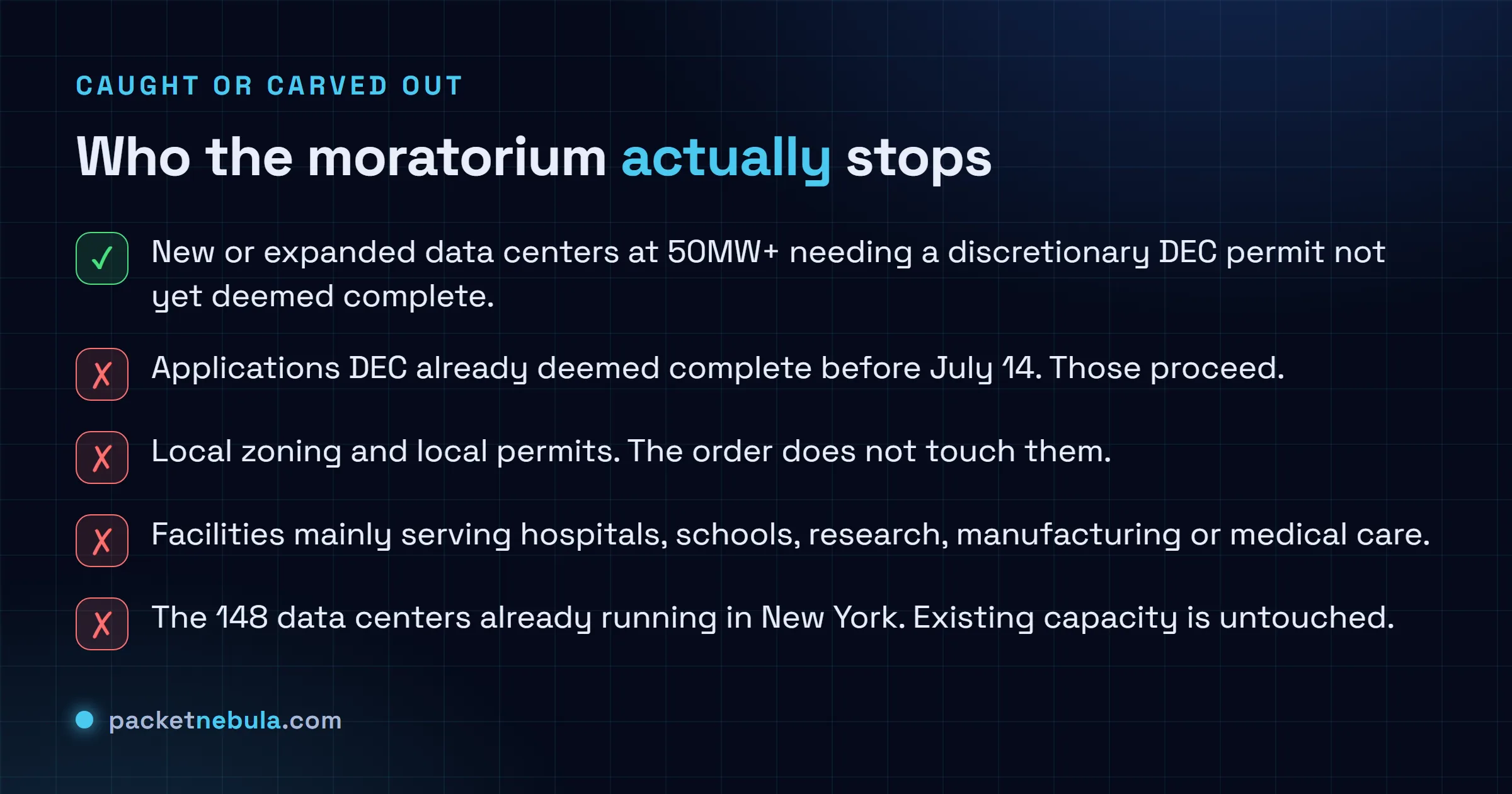
Checklist showing what the New York data center pause catches and what it exempts: new 50MW+ builds needing an incomplete discretionary DEC permit are caught, while already-complete applications, local zoning, mission-critical facilities and the 148 existing data centers are not.
One line caught, four lines carved out. That ratio is the whole news.

Applications DEC already deemed complete go ahead. Local zoning and local permits are explicitly untouched, so a town that wants a data center can still say yes to one. Facilities primarily serving hospitals, schools, research institutions, manufacturing or medical care don’t count against the 50MW threshold at all. And the 148 data centers already running in New York, fifth-most of any state per amNY’s reporting, keep running exactly as before.

So this isn’t a ban. It’s a hold on one class of state permit, for one class of new building, with a year on the clock and a door left open at the municipal level. Honestly, “moratorium” is doing heavy lifting in the coverage.

That’s not a knock. A GEIS is a real instrument and writing standards while nothing new gets permitted is a defensible way to do it. Just don’t confuse it with New York turning off the taps.

The queue is the actual number

Here’s the figure that explains why this happened at all.

As of May 2026, nearly 12,000 megawatts of proposed data center capacity sat in New York’s interconnection queue. More than 8,000 of those megawatts joined during 2025 alone.

Sit with the shape of that. Not the total, the slope. Most of the demand asking to connect to that grid showed up in a single year, into a state with 148 data centers built over decades. No permitting regime designed before 2024 has a sensible answer to that, because none of them were written for a load that arrives in one wave and measures itself in gigawatts.

A one-year pause reads differently through that lens. It’s less a policy position than a state admitting its process can’t size the thing in front of it.

The bill is bigger than the order
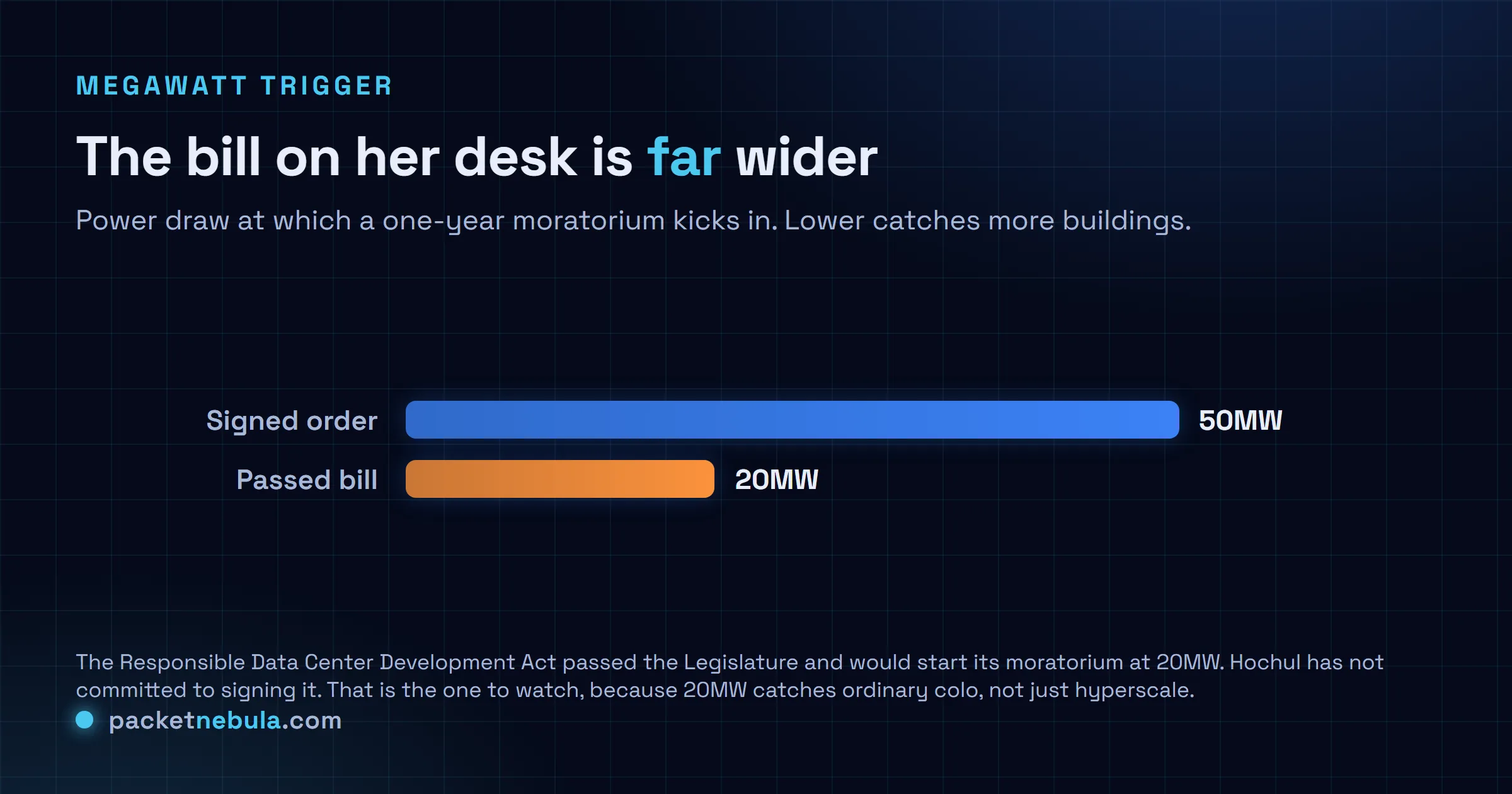
Comparison: the signed executive order triggers its moratorium at 50 megawatts, while the Responsible Data Center Development Act passed by the Legislature would trigger at 20 megawatts.
50 versus 20. The unsigned one is the one that would be felt.

The Legislature passed the Responsible Data Center Development Act, which starts its own one-year moratorium at 20 megawatts. Hochul hasn’t committed to signing it. Her administration says it’s still under review.

Twenty megawatts is a different animal. Fifty catches the giants and roughly nobody else. Twenty starts catching serious colocation and large enterprise builds, the kind of facility a regional provider or a bank puts up without a press release. If you want to know whether New York’s move matters beyond the symbolism, watch what she does with that bill, not what the executive order says.

I’d guess she’s using the order partly to take pressure off the decision. Sign something now, buy a year, decide on 20MW later with a GEIS in hand. That’s a guess about motive and you should file it as one.

Does it reach you

Almost certainly not this year.

If you deploy to a big cloud, your regions aren’t in New York and your bill isn’t moving. Nobody announced a price change and there isn’t a mechanism here that would produce one soon. Existing capacity keeps serving traffic. Even the projects mid-pipeline mostly walk, because “deemed complete” is a low bar for anything that’s been in process a while.

The narrow real case: if you’re planning a colocation footprint in New York State over the next couple of years, or you’re mid-negotiation on one, call your provider and ask exactly where their permits stand relative to July 14. It’s a five-minute conversation with a specific answer.

The broader thing is that “where can this physically go” is turning into a real constraint on AI infrastructure, alongside chips. Nvidia now decides who’s even allowed to buy accelerators in whole countries. Meta is building its own silicon partly to get off that ride. And now a US state has put a year on the calendar before you can plug a big one in. Different levers, same squeeze.

One state, one permit class, one year. But New York went first, and going first is how these things stop being unthinkable for the state next door.

Sources

The executive order and its directives are as described in Governor Hochul’s official announcement of July 14, 2026, which covers the DEC permit pause, the DPS Generic Environmental Impact Statement, and the 60-day Empire State Development Community Investment Framework. The 50 megawatt threshold, the exemptions for mission-critical facilities and local zoning, the 148 operating data centers, the interconnection queue figures and the status of the Responsible Data Center Development Act are per amNY. Additional detail on the permit mechanics and the Energize NY proceeding via WBNG and Inside Climate News.

Frequently asked questions

What did New York actually do?

On July 14, 2026, Governor Kathy Hochul signed an executive order creating the first statewide moratorium on new hyperscale data centers. The Department of Environmental Conservation will not issue discretionary permits for new or expanded data centers whose applications were not already deemed complete, and the pause runs for up to a year while the Department of Public Service prepares a Generic Environmental Impact Statement.

What counts as hyperscale under the order?

The trigger is power draw: data centers capable of using at least 50 megawatts. Hochul described that as roughly the power equivalent of 50,000 homes. Facilities primarily serving hospitals, schools, research institutions, manufacturing or medical care are excluded from that threshold.

Does this stop projects already under way?

No. Applications that DEC had already deemed complete before July 14, 2026 are unaffected, and the 148 data centers already operating in the state keep operating. The order also does not touch local zoning decisions or local permits, which is a real limit on its reach.

Will this change my cloud bill or my region choice?

Not today, and nobody has announced a price change. The major US cloud regions you actually deploy into are not in New York, existing capacity is untouched, and the order only blocks a class of state permit for new builds. If you are planning a colocation footprint in New York over the next year or two, that is the narrow case where this is worth a call to your provider.

What is the 20MW bill people keep mentioning?

The Responsible Data Center Development Act passed the Legislature and would impose a one-year moratorium starting at 20 megawatts rather than 50. Hochul has not committed to signing it and has said her administration is still reviewing it. It matters more than the executive order because 20MW reaches ordinary colocation and enterprise builds, not just the giants.

Tags: aibig-techdata-centerenergyinfrastructurenews
Share196Tweet123
stephane

stephane

  • Trending
  • Comments
  • Latest
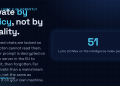
Answer card: Proton Lumo 2.0 is private by policy, not by locality. Saved history is locked so even Proton cannot read it, but the prompt is decrypted on a Proton EU server to answer it, then forgotten.

Proton Lumo 2.0 review: how private is it, really?

3 September 2026
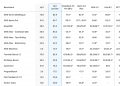
The Agentic Coding section of the official Hy4 preview benchmark appendix published by Tencent, a table comparing Hy3 and Hy4 preview against DeepSeek V4 Pro 0813, Qwen 3.8 Max, GLM 5.3, Kimi K3, GPT 5.6 Sol and Claude Opus 5 across SWE-bench Multilingual, SWE-bench Pro, DeepSWE, three SWE Atlas tasks, SWE-Marathon, Terminal-Bench 2.1, NL2Repo-Bench, CyberGym, ProgramBench, PostTrainBench and Harbor-Index.

Tencent’s 770B Hy4 tops one benchmark row in 46

3 September 2026
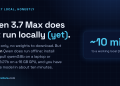
Answer card: Qwen 3.7 Max is API-only and cannot run locally yet; the open Qwen models (Qwen 3.6 27B, qwen3:8b to 32b) run offline via Ollama.

Qwen 3.7 local: what you can actually run offline

22 June 2026
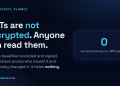
Answer card: JWTs are not encrypted, anyone can read them; the signature proves who issued the token, not who may read it.

Are JWTs encrypted? No, and the difference will bite you

0
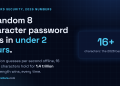
Answer card: a random 8 character password falls in under 2 hours offline, while 16 random characters hold for 1.4 trillion years at the same speed.

How long does it take to crack a password in 2026?

0
Answer card: three DNS records decide if your mail lands or bounces; SPF lists allowed senders, DKIM signs messages, DMARC sets the failure policy.

SPF, DKIM and DMARC explained: the records your email needs

0
Answer card stating that Ternary Bonsai 2 27B, released by PrismML on 17 September 2026 under Apache 2.0, packs Qwen3.8 27B into 5.95 gigabytes at 1.72 bits per weight, keeps 98.2 percent of the 14-benchmark average, about 75 percent on SWE-bench Verified and Terminal-Bench 2.1, and needs PrismML's llama.cpp fork to run.

Does Bonsai 2 27B really keep 98% of Qwen3.8 in 5.95 GB?

20 September 2026
Answer card stating that Jev 1.13 from TypeSafe AI is a decision model in early access since 15 September 2026 that returns typed probabilities instead of text, priced at 42 dollars per billion input tokens with output tokens free, answering in 70 to 500 milliseconds, with a 64K token request budget, text input only, and a documented list of things it does badly, including counting and dates.

Jev 1.13 bills $42 a billion tokens, and it can’t count

19 September 2026
Answer card stating that Qwen3.8-Omni-Flash launched on 17 September 2026 as an API only model on Alibaba Cloud Model Studio, taking text, images, audio and video in a 1M token context and returning text only, priced at 0.15 dollars per million input tokens for every modality and 0.47 dollars per million output tokens in the international regions, with no open weights published and the Qwen-Live Harness GitHub repository returning 404.

Qwen3.8-Omni-Flash bills audio at $0.15 and ships no weights

18 September 2026
  • About
  • Contact
  • Privacy
  • Legal

Copyright © 2026 Stephane Cardon.

Welcome Back!

Login to your account below

Forgotten Password?

Retrieve your password

Please enter your username or email address to reset your password.

Log In
No Result
View All Result
  • Home
  • Articles
    • Security
    • Network
    • Dev
    • Sysadmin
    • SEO
    • Email & DNS
  • Tools
    • Network tools: free, fast, no signup
    • Security tools: free, fast, no signup
    • Developer tools: free, fast, no signup
    • Sysadmin tools: free, fast, no signup
    • SEO tools: free, fast, no signup
    • Email & DNS tools: free, fast, no signup
  • Download
  • About

Copyright © 2026 Stephane Cardon.